Scarpe slacciate, un piede dentro una pozzanghera. L’ombrello è rimasto incastrato tra la borsa e il cappotto, una stanghetta di ferro è impigliata nella tasca e lei la tira, fino a quasi perdere l’equilibrio: ombrello rotto. Dal cielo viene giù una parete di acqua, che, fredda, appiccica i capelli sulla fronte, oltrepassa la treccia dei capelli per infilarsi e scivolare lungo il collo. Sta borbottando qualcosa, stanca dopo la giornata di lavoro, mentre sente il telefono squillare dall’altra tasca del cappotto. Deve rispondere, è Matteo. Alza lo sguardo, e vede una gigantesca M rossa e bianca. Non ci pensa due volte: andrà in metro. Corre giù per le scale mobili e si mette al riparo, ansimante. Gli occhiali si appannano, con un filo di voce risparmiato dalla pioggia e dalla corsa, risponde al volo. Matteo, suo figlio di dieci anni, le vuole assolutamente dire, prima che arrivi a casa, che ha preso una nota, perché si era dimenticato di fare i compiti di matematica, ma ci tiene subito a sottolineare, facendo capire quanto la costruzione della frase fosse stata a lungo studiata e meditata, che ha anche preso un Bravissimo con la faccia che non solo sorride ma proprio ride, in italiano. «Quindi siamo a posto, vero mamma?» Chiara scoppia a ridere: «Tu sei proprio tutto tuo padre, due gocce d’acqua. Ne parliamo poi a casa eh, io sto rientrando.» Chiara, sorridendo, si allaccia la scarpa, passa l’abbonamento al tornante elettronico, e scende verso la metro. Di solito, quando esce dall’ospedale dove lavora, non prende mezzi pubblici nelle vicinanze. Si fa una bella passeggiata e va prendere un autobus, quasi da un altro quartiere, per tornare a casa sua. È il suo modo per perdere del tempo, secondo gli altri, e riprenderselo per se stessa. Arrivata alla banchina della stazione metro, si compiace nel vedere che mancano solo due minuti all’arrivo del mezzo. Sta pensando a cosa cucinare, vuole controllare se il supermercato sotto casa sia ancora aperto, quando vede dall’altra parte della stazione, al di là dei due binari, la mamma del paziente del letto numero 3, del suo reparto. Lei sa che si chiama Silvia, che oggi è stata dentro l’ospedale tutto il giorno, proprio come lei. Sa anche che sta andando a mangiare qualcosa da qualche parte, perché è arrivato il suo ex marito in ospedale. Si sono dati il cambio, con qualche carezza ma senza abbracci, forse per dei rancori ancora accesi da una rottura recente. Silvia la vede, le sorride discretamente. Chiara sventola la mano, e le fa segno che domani la troverà di nuovo al suo posto, in ospedale. La sua metro arriva, Silvia la prende, le continua a sorridere dal vetro che prende velocità. Chiara, con il suo ombrello rotto, un mal di testa assordante, entra nel piccolo vagone. Si guarda attorno: la fermata della metro sotto l’ospedale può essere sorprendente. Qualcuno potrebbe avere un fiore in mano, qualcun altro un regalo. Qualcuno non ha voglia di parlare e allora ascolta musica; qualcuno guarda nel vuoto e altri non sanno neanche che proprio sopra le loro teste vi sia un ospedale pediatrico. Sono vite di persone che si incrociano in spazi piccolissimi, dove rimangono in silenzio mentre una scatola rotante li porta da una parte all’altra della città, mentre sono indaffarati da impegni che si sono imposti, da appuntamenti, visite e scadenze. Si rimane in silenzio, e ci si lascia trasportare. E mentre Chiara si dimentica della nota di Matteo e del marito, che non lo sgrida mai, per concentrarsi su cosa Silvia avrebbe mangiato, da sola, a cena; una coppia si sta lasciando, appoggiata alla porta che separa i vari vagoni. C’è la signora Teresa, che con gli esami in mano, torna a casa felice e il signor Gianni che legge i referti senza capire a fondo delle parole difficili. C’è Marco che studia anche in metro per l’esame del giorno dopo; Ludovica ascolta un podcast e Mario dormicchia con la testa che sbatte sul finestrino. In quel ginepraio sotterraneo, le storie si sfiorano, si avvicinano per poi allontanarsi, magari per sempre. E la prossima volta, in una qualsiasi città, arriveremo anche noi con una scarpa slacciata, in un giorno di pioggia, con l’ombrello rotto e ci siederemo vicino ad una persona qualunque, senza sapere che potrebbe proprio essere la signora Silvia.
Other people’s stories
Untied shoes, a foot in a puddle. The umbrella got stuck between the bag and the coat, one of the long ribs got caught in the pocket, and she pulls it, until she almost loses her balance: the umbrella is broken. It is raining cats and dogs and the cold-water sticks to her hair on the front head, it crosses her braid and slides down the neck. She is mumbling something, tired after the workday, as she hears the phone ringing from the other pocket of the coat. She has to answer, it is Matteo. She looks up and she sees a giant red and white M. She does not think twice: she will take the metro. After running down the escalator and getting under cover, she starts panting. Her glasses fog up and she answers the phone in a faint voice. Matteo, her ten-year-old son, absolutely needs to tell her, before she comes back home. He needs to tell her that he got a reprimand because he forgot to do his math homework, but at the same time he wants to point out, making it clear how much the sentence had been long studied, that he also got a Bravissimo with a smiling emoticon in Italian. “Everything is okay, right mum?” Chiara bursts out laughing: “you are just like your father, two peas in a pod. We will talk about it later at home, I am on my way back”. Chiara, smiling, laces up her shoe, validates her transportation subscription, and walks down towards the metro. Usually, when she leaves the hospital where she works, she does not take public transport nearby. She generally takes a nice walk and takes the bus, almost from another neighborhood, to go back home. Once she arrives at the platform of the metro station, she is pleased to see that she has only to wait two minutes before the bus arrives. She is thinking about what to cook, she wants to check if the supermarket below her place is still open and when, on the other side of the station, across the two platforms, she sees the mother of the patient in bed number 3 of her ward. She knows that her name is Silvia, that she has been inside the hospital all day long, just like her. She also knows that she is going somewhere to eat, because her ex-husband has arrived at the hospital. They changed shifts with some cuddles but no hugs, perhaps because of grudges still aroused by a recent break-up. Silvia sees her, she smiles at her discreetly. Chiara waves her hand, and signals to her that tomorrow she will find her back at the hospital. The metro arrives, Silvia gets in it, keeps smiling at her through the glass, which picks up speed. Chiara, with her broken umbrella, a deafening headache, gets in the small subway car. She looks around: the metro stop below the hospital can be surprising. Someone might be holding a flower, someone else a present. Someone does not feel like talking and so listens to music; someone stares into space and others do not even know that right above their heads there is a children’s hospital. These are people’s lives that bump into each other in tiny spaces, where they remain silent while a rotating box takes them from one side of the city to the other, while they are busy with commitments, they have imposed on themselves; with appointments, visits and deadlines. They remain silent and let themselves be carried away. And while Chiara forgets about Matteo’s reprimand and her husband, who never scolds him, to concentrate on what Silvia was going to eat, alone, for dinner; a couple is leaving, leaning against the door separating the various subway cars. Mrs. Teresa, with the exams in hand, is going home happy, and Mr. Gianni is reading the reports without fully understanding the difficult words. Then there is Marco who also studies in the metro for the next day’s exam; Ludovica listens to a podcast and Mario sleeps with his head banging on the window. In that underground quagmire, stories bump into each other, come closer and then move apart, perhaps forever. And the next time, in any city, we will arrive with an untied shoe, on a rainy day, with a broken umbrella, and we will sit down next to an ordinary person, not knowing that it might just be Mrs Silvia.
Les histoires des autres
Chaussures détachées, un pied dans une flaque d’eau. Le parapluie est coincé entre son sac et son manteau, une tige de fer est prise dans la poche et elle la tire, jusqu’à presque perdre l’équilibre : parapluie cassé. Du ciel descend un mur d’eau qui, froide, qui lui pique les cheveux sur le front, passe la tresse de ses cheveux et glisse sur son cou. Elle marmonne quelque chose, fatiguée par sa journée de travail, lorsqu’elle entend le téléphone sonner dans l’autre poche du manteau. Elle doit répondre, c’est Matteo. Elle lève les yeux, et voit un énorme M rouge et blanc. Elle n’y réfléchit pas à deux fois : elle prendra le métro. Elle descend l’escalator et se met à l’abri, en haletant. Ses lunettes embuées, d’une voix usée par la pluie et la course, elle répond précipitamment. Matteo, son fils de dix ans, est prêt à tout pour lui dire, avant qu’elle ne rentre à la maison, qu’il a reçu une note parce qu’il a oublié de faire ses devoirs de mathématiques, mais il s’empresse de préciser, en montrant à quel point la construction de la phrase a été longuement étudiée et réfléchie, qu’il a également reçu un Bravissimo avec un visage qui non seulement sourit mais rit, en italien. “Donc on est bon, n’est-ce pas maman ?” Chiara éclate de rire : “Tu es comme ton père, deux pois dans une cosse. On en parlera plus tard à la maison, je suis sur le chemin du retour.” Chiara, souriante, lace sa chaussure, passe l’abonnement au tourniquet électronique et descend vers le métro. En général, lorsqu’elle quitte l’hôpital où elle travaille, elle ne prend pas les transports publics à proximité. Elle fait une belle promenade et va prendre un bus, presque d’un autre quartier, pour rentrer chez elle. C’est sa façon à elle de perdre du temps, selon les autres, et de le reprendre pour elle. Arrivée sur le quai de la station de métro, elle est heureuse de constater qu’il ne reste que deux minutes avant l’arrivée du bus. Elle réfléchit à ce qu’elle va cuisiner, veut vérifier si le supermarché en bas est encore ouvert, quand elle voit de l’autre côté de la gare, au-delà des deux quais, la mère du patient du lit numéro 3, dans sa salle. Elle sait qu’elle s’appelle Silvia, qui est restée toute la journée à l’hôpital, tout comme elle. Elle sait aussi qu’elle va manger quelque part, car son ex-mari est arrivé à l’hôpital. Ils se relaient, avec quelques caresses mais pas de câlins, peut-être en raison de rancœurs encore éveillées par une récente rupture. Silvia la voit, sourit discrètement. Chiara lui fait un signe de la main et lui indique que demain, elle la retrouvera là où elle doit être, à l’hôpital. Son métro arrive, Silvia monte dedans, continue de lui sourire à travers la vitre, qui commence à prendre de la vitesse. Chiara, avec son parapluie cassé, un mal de tête assourdissant, entre dans la petite voiture. Elle regarde autour d’elle : l’arrêt de métro en dessous de l’hôpital peut être surprenant. Quelqu’un peut tenir une fleur dans les mains, quelqu’un d’autre un cadeau. Quelqu’un n’a pas envie de parler et écoute de la musique ; quelqu’un regarde dans le vide et d’autres ne savent même pas que juste au-dessus de leur tête se trouve un hôpital pédiatrique. Ce sont des vies de personnes qui se croisent dans des espaces minuscules et qui restent silencieuses tandis qu’une boîte tournante les emmène d’un bout à l’autre de la ville, alors qu’elles sont occupées par des engagements qu’elles se sont imposés, des rendez-vous, des visites et des échéances. On reste silencieux, et on se laisse emporter. Et tandis que Chiara oublie la note de Matteo et son mari, qui ne le gronde jamais, pour se concentrer sur ce que Silvia allait manger, seule, pour le dîner ; un couple est en train de se séparer, appuyé contre la porte qui sépare les différents wagons. Il y a Madame Teresa, examens en main, qui rentre chez elle heureuse, et Monsieur Gianni qui lit les rapports sans bien comprendre les mots difficiles. Il y a Marco qui étudie aussi dans le métro pour l’examen du lendemain ; Ludovica écoute un podcast et Mario dort en se cognant la tête contre la fenêtre. Dans ce bourbier souterrain, les histoires se frôlent, se rapprochent, puis s’éloignent, peut-être pour toujours. Et la prochaine fois, dans n’importe quelle ville, nous arriverons nous aussi avec une chaussure détachée, un jour de pluie, avec un parapluie cassé, et nous nous assiérons à côté d’une personne ordinaire, sans savoir qu’il s’agit peut-être de Madame Silvia.
Una storia che traccia la linea che va dal “me” piccolo al “me” grande.
Chi sei e qual è la tua grande storiella?
Sono Stefano Nardella ho 28 anni, sono nato a Torino. La mia grande storiella riguarda il me piccolo. All’età di dieci anni, mi è stata diagnosticata una leucemia linfoblastica acuta, qua a Torino, all’Ospedale Regina Margherita. Ho fatto le cure dal 2004 fino a metà 2005, forse anche inizio 2006. Poi, a gennaio 2007, ho avuto una ricaduta, a seguito della quale ho dovuto fare un trapianto di midollo osseo, tra il 24 e il 25 maggio 2007. E poi, pian piano, ne sono uscito, ma da questa storia se ne sono mischiate tante altre: la storia di Ugi e la storia un po’ particolare del mio donatore. Avevano trovato un donatore qui a Torino, di 18 anni. Ma pochi giorni prima di entrare in centro trapianti, ci aveva chiamato la dottoressa e per dirci di andare in reparto per parlare.
Ci dicono che il donatore si era ritirato, perché sai, c’è la facoltà di ritirarsi… Avevano, però, trovato un altro donatore, americano. È andato tutto bene, il donatore ha accettato. All’epoca aveva circa 30 anni. Io mi ricordo che, nelle settimane successive, avevo sognato una persona che mi diceva: “New York”. Ed è da quel giorno che voglio andarci.
Incubi che sono paure e sogni che diventano realtà.
Tutto questo è frutto di un’elaborazione che c’è stata negli anni successivi: nulla è stato immediato. Fino a cinque o sei anni fa, non parlavo minimamente della malattia: per me era un argomento tabù. Reprimevo questo periodo. In tutti quegli anni, continuavo a sognare di avere il catetere nel petto e di non riuscire a svegliarmi. È una realtà che io avevo già vissuto, che ora diventava un sogno, un incubo. Di giorno la reprimevo, ma trovava comunque modo di manifestarsi di notte. Poi, pian piano, ho iniziato un percorso psicologico, dove ho iniziato ad elaborare la malattia. Ed è stata una scoperta perché mi ha aiutato a livello di consapevolezza. Anche nelle piccole cose che si vogliono nella vita, nel quotidiano. Se prima cercavo di adattarmi ad una normalità, reprimendo quello che sono in realtà, negli anni ho capito che questo era totalmente sbagliato. Anche perché adattarmi ad una normalità che non ho vissuto, che non sento mia, era come vivere una vita che non era la mia. Visto che ho dovuto vivere una vita che non volevo, in un determinato periodo, non lo trovavo giusto nei miei confronti. Pian piano ho smesso di fare quei sogni. Però, da quel momento, da quando è iniziata l’elaborazione di questo periodo, ho capito come trasformare dei momenti di debolezza particolarmente drammatici, in un punto di forza. Quel periodo ha formato e ha plasmato uno Stefano, che è sicuramente diverso ad un eventuale Stefano con un passato differente. L’ha plasmato tanto. Quel periodo in ospedale, mi ha avvicinato tanto alla musica e alla dedizione allo studio. Tanto che ho sempre cercato di mantenere vive queste due anime.
La resa dei conti
Facciamo ora un salto in avanti, alla fine del mio percorso accademico, quando ho discusso la tesi di laurea. Quando ho deciso di scrivere la tesi, mi sono detto: “Bene, questo è il momento di vedersi faccia a faccia con quello che è stato il mio passato.” Volevo rifarmi al corso di bioinformatica, una materia che studia l’applicazione di modelli informatici, come l’intelligenza artificiale, applicati nel mondo medico: nella ricerca, nella diagnosi e tutto quello che ne consegue. Ne ho parlato con la mia professoressa e ho deciso di prendere un dataset di leucemie, mieloidi e linfoidi, e iniziare, anche con il suo aiuto, ad analizzare i dati da un altro punto di vista, quello del paziente: cercare di raggruppare i pazienti che hanno patologie simili o geni simili in modo che, fin da subito, si riesca a definire se sia affetto da una leucemia mieloide o linfoide. Quando sono arrivato alla conclusione di quella tesi, mi sono reso conto che quel periodo della mia vita fosse diventato effettivamente le fondamenta di tutto quello che sto costruendo oggi. Ho proprio capito in quel momento cosa voglia dire la frase: “Puoi costruire delle grandi cose dalle proprie fragilità”. Io sono passato dal non dormire la notte a tutto quello che ho oggi. E voglio portare la testimonianza che questa cosa può passare, o meglio non credo che passi, si impara a gestirla. Il pensiero che questa cosa si riesca a gestire è effettivamente qualcosa di potente, ti rendi conto di quanto la mente umana sia potente. Dal non parlarne e sognarlo la notte, quindi con la mente che aveva il controllo sul mio corpo, ad imparare a gestirla, affinché la mente stessa sfoghi e alimenti il pensiero, per farlo rimanere vivo ma con un altro valore, con un altro spessore, con un’altra grinta. Dopo aver iniziato ad assimilarlo, ho cercato lo Stefano bambino e la domanda che mi sono fatto è stata: “Di cosa avevo bisogno io quando ero in ospedale? Cosa mi è mancato che mi ha portato a rimanere in silenzio per più di dieci anni?” Mi è mancata una persona che mi portasse la testimonianza del mio futuro, che mi potesse dire: “Guarda che ne esci fuori, ritorni ad una vita, non ritorni ad una vita normale. Ritorni ad una vita diversa, ritorni alla tua vita e non quella dei tuoi amici. Non sei obbligato a viverla come loro, puoi viverla come vuoi tu. La vivi in modo diverso perché ti rendi conto che ogni minuto è un minuto che tu stai recuperando. Vivi proprio con la sensazione che la vita sia in debito con te.” A me è mancata questa persona, una persona che mi desse anche lo stimolo a progettare il mio futuro, anche nel momento in cui effettivamente non potevo viverlo. Da lì ho iniziato a parlarne con i ragazzi e i bambini qua in Ugi, ed è liberatorio. Mi rendo conto che vivere, ritornare a vivere quei momenti attraverso gli occhi di un altro bambino o ragazzo, ti fa capire e ricordare quello che hai passato, ti fa capire quanto ti sei conquistato dopo. Qualche volta dico un grazie a quel periodo. Probabilmente, senza quel periodo, ora sarei un’altra persona e io son contento della persona che sono oggi, di quello che sono riuscito a costruire. Non di quello che sono riuscito a recuperare purtroppo, perché il tempo non si recupera. Prima, infatti, ci provavo e volevo fare sempre di più: mi dicevo che dovevo vivere quello che avrei vissuto in una vita normale e recuperare tutto quello che questa vita mi aveva tolto. È un’emozione contrastante: c’è un lato positivo che ti porta a puntare sempre più in alto: dall’altro lato, rischi di non goderti il momento e il traguardo raggiunto. Se tornassi indietro, avrei cercato prima la persona a cui chiedere aiuto. All’inizio, quando andavo dalla psicologa, erano 45 minuti di silenzio. Ora, invece, posso dire che la mia psicologa mi ha aiutato a risvegliare quel bambino e guardare anche con quegli occhi. È estremamente potente iniziare ad avere la propria consapevolezza, la propria vita speciale.
Credo che la figura dello psicologo, a prescindere dal passato di ognuno, dovrebbe essere una figura tanto importante quanto il medico di base. Mentre sei dallo psicologo non hai più paura dei tuoi limiti, non hai più paura delle tue paure. Io che continuo ad andarci, con una frequenza minore, credo che sia una figura fondamentale, per imparare a non attribuirci delle osservazioni che non sono nostre.
Il “me” di oggi e quella puntata al TG.
C’è stato un episodio particolare in cui ho visto scontrare lo Stefano piccolino e lo Stefano di oggi. Io non credo nella casualità, io credo che ci siano sempre dei segnali della nostra vita, che arrivano in modi particolari, sta a noi poi captarli. Era l’inizio di radio Ugi ed ero andato nella saletta adolescenti, a casa Ugi, dove c’era la tv locale per fare un servizio da mandare al tg. C’era il direttore artistico che ha raccontato chi fossimo e al tavolo c’erano altri speaker, altri bambini ed io. Ha detto: «Ecco Stefano! È un ragazzo che da bambino ha avuto una leucemia, e ora è passato a fare lo speaker della radio, per portare la sua voce.» Quando si spengono i microfoni, un bambino viene di fronte a me e mi dice: «Stefano, ma anche tu da piccolo hai avuto una leucemia come me?» Anni fa, non avrei saputo rispondere. Non ne parlavo. E lì mi sono detto, chi risponde ora? Ora risponde Stefano: «Sì, anche io. Piano piano ne sono uscito: ho fatto tutte le cure e sono tornato alla mia vita, ad uscire con i miei amici e adesso sono qua perché mi diverto tanto con voi. Magari un giorno ti divertirai anche tu!” Ho cercato di fargli vedere il lato bello. E vuoi sapere la cosa paradossale? Questo bambino si chiama Stefano. Questa è radio Ugi, questa è la sua potenza: il fatto di condividere delle emozioni, condividere delle esperienze con i ragazzi e i bambini, senza avere filtri, permettendo loro di fare domande, di dare loro una voce. Letteralmente. Visto che durante le cure, il fisico cambia, tramite lo strumento della radio i bambini e i ragazzi possono fare un’attività senza essere visti, ma poter comunque dire “Io ci sono”. Ed è il modo per entrare nella normalità con la nostra specialità.
The lesson was about to start. Girls and boys, sat at their desks, were laughing, chatting and shouting. Entering the classroom, amidst the students’ cheers, Maria, the teacher, went to her desk and asked for silence. Debora, in the second row, had already opened her red notebook, the one of her favorite subject, Italian.
“Today, guys, we will play a beautiful game. As you see behind me, there are two blackboards. What is written at the top of the first one, Fabio?”
“S Y N O N Y M S”
“And what is it?”
“SYNOMS”
“Almost, synonyms. What about the other blackboard? What do we find?”
“Antonyms”. Debora immediately answers.
“Then, what are synonyms and antonyms? Synonyms and antonyms are friends and enemies. Something which is similar to you is your friend; something which is very far from you is your enemy. A synonym is a word that can replace another one: friend is synonymous with companion, for example. The antonym is the opposite of the word: enemy is the opposite of friend. Let’s give some examples so that it will be clearer.
Debora raises her hand: “Miss, can you explain why if something is against you, it is your enemy?
“It is only a common saying to make you understand… Now maybe with the examples I can explain you better. So, let’s write the word CORRECT on the first blackboard. A synonym of correct is RIGHT. An opposite of correct is WRONG”.
The lesson continues without too many difficulties, except for those of the teacher Maria, who promises herself that she will never again arrive unprepared even for an easier Italian lesson in the primary school. The children’s questions are always difficult to handle because they are the most authentic ones. She looks up at Debora who has finished her homework and stares straight into her eyes. When their gazes meet, she raises her hand. “Miss, I have a bad question”. “Debora, there is no such thing as a bad question. Please, ask”. Debora gets up, she moves closer to the teacher’s desk and tell her, whispering, that she has made a discovery about synonyms and antonyms but cannot say it out loud. Then she brings her mouth right up to Maria’s ear: “So, if I have understood correctly, my brother Daniel is disabled because it is the opposite of able?” They look at each other. Maria says that this is not a bad question. She invites her to go to her seat. She gets up, takes a red chalk and writes the word “ABLE” on the first blackboard. She turns to the class and wants to know all the synonyms.
“Skilled”!
“Good”.
“Who can do things”.
“Can we say competent then? Right? Good, now let’s move on to its opposite. Debora, what do you think is its opposite?”
“Disabled”.
“Exactly, but also incapable, inexperienced, incompetent. Now let’s try to make sentences, I will start. I am very good at teaching, but I am disabled in football. Let’s go on! Margherita, what are you skilled in and what are you disabled in?” “Miss, I am skilled in drawing but disabled in calculations. Is it fair to say that?”
Fabio does not agree: “But miss, we are not disabled”.
Maria looks at Debora, who remains straight in her chair and continues to stare at the teacher, almost challenging her. The teacher then says that the true definition of “disabled” is precisely that of not being able to do something. This is his first definition: it is a term that originates as the opposite of something else. For this reason, everyone can be skilled in something and disabled in something else, and for this very reason it would also be wrong to use it for people in general. There are no able-bodied people and disabled people: there are people with abilities and people with disabilities. “Actually, as I look at you, I see you as synonyms, because you are friends and students and yet you have characteristics, which are opposite. Debora is blond, Marta is dark. I am very tall, Fabio is short. Andrea is curly, Luca has straight hair. There may be small contrary elements in all of us. But they are characteristics, just like abilities and disabilities”. Debora thinks about it for a moment and says: “As far as I am concerned, I can walk but my brother cannot… but I’m not good at maths, while he is, and also very good, I swear! I am terrible with numbers…”.
“Well guys, the bell is about to ring, so the homework is for the day after tomorrow. Write down characteristics that are synonyms and antonyms to characteristics of one of your family members or class members. I will give an example with my brother, in order for you to understand better. I am very nice, and my brother is very funny. This is a synonym. Then, I am very athletic while my brother is very lazy. This is opposite. I can walk, while my brother has the disability of not being able to walk, just like Daniel”. Debora stares at the teacher, incredulous. Fabio, the real fearless one in the class, asks: “So your brother is also disabled? Indeed, no sorry, does he have any disability?”. “Yes. He is also very good at maths like your brother Daniele, dear Debora. See, in the end we are all a bit synonymous”. Maria turns to the student and winks at her. Then Debora too just closes her right eye and smiles.
La lezione stava per cominciare. I bambini e le bambine, seduti ai corrispondenti banchi, ridevano, chiacchieravano e urlavano. Entrata in classe, tra le feste degli studenti, la maestra Maria si era posizionata alla cattedra e aveva chiesto un po’ di silenzio. Debora, in seconda fila, aveva già aperto il quaderno rosso, quello della sua materia preferita,italiano.
«Oggi, ragazzi, faremo un bellissimo gioco. Come vedete alle mie spalle ci sono due lavagne. In cima alla prima cosa c’è scritto, Fabio?»
«esse i enne o enne i emme i».
«Che diventa?»
«SIENNONIMI».
«Quasi: sinonimi. E nell’altra lavagna invece? Cosa troviamo?»
«Contrari, maestra». Risponde subitamente Debora.
«E allora, che cosa sono i sinonimi e contrari? I sinonimi e contrari sono degli amici e dei nemici. Una cosa molto simile a te, è tua amica; una cosa molto distante da te è tua nemica. Viene considerato sinonimo, una parola che si può sostituire ad un’altra: amica è sinonimo di compagna, per esempio. Il contrario è invece l’opposto della parola: nemica è il contrario di amica. Facciamo un po’ di esempi così sarà tutto più chiaro».
Debora alza la mano: «Maestra ma perché se una cosa è contraria da te è tua nemica?»
«No, ma era un modo di dire per farvi capire… Ora forse con degli esempi riesco a spiegare meglio. Allora, scriviamo nella prima lavagna la parola CORRETTO. Un sinonimo di corretto è GIUSTO. Un contrario di corretto è SBAGLIATO».
L’ora prosegue senza troppe difficoltà, se non quelle della maestra Maria, che si promette di non arrivare mai più impreparata anche ad una tranquilla lezione di italiano, alle elementari. Le domande dei bambini sono sempre le più difficili da gestire, perché sono le più pure. Alza lo sguardo verso Debora che ha finito il suo compito e la fissa dritta negli occhi. Quando gli sguardi si incrociano, alza la mano. «Maestra ho una brutta domanda.» «Debora non esistono domande brutte. Chiedi pure.» Debora si alza, si avvicina alla cattedra per dire a bassa voce, alla sua insegnante, che ha fatto una scoperta sui sinonimi e contrari ma non può dirla a voce alta. Allora avvicina proprio la sua bocca all’orecchio di Maria: «Ma allora mio fratello Daniele è disabile perché è il contrario di abile?» Si guardano. Maria dice che questa domanda non è brutta. La invita ad andare al suo posto. Si alza, prende un gessetto rosso e scrive nella prima lavagna la parola “ABILE”. Si rivolge alla classe e vuole sapere tutti i sinonimi.
«Capace».
«Bravo».
«Che sa fare le cose».
«Possiamo allora dire competente? Giusto? Bene, ora passiamo al suo contrario. Debora secondo te qual è il suo contrario?»
“Disabile.»
«Esatto, ma anche incapace, inesperto, incompetente. Ora proviamo a fare delle frasi e voglio incominciare io. Io sono molto abile ad insegnare ma sono disabile nel calcio. Andiamo avanti, tu, Margherita in cosa sei abile e in cosa sei disabile?» «Io maestra sono abile nel disegno ma disabile nei calcoli. È giusto dire così?»
Fabio non ci sta: «Ma maestra noi non siamo disabili.»
Maria guarda Debora, che rimane ben diritta sulla sua sedia e la continua a fissare, quasi con aria sfidante. L’insegnante allora dice che la vera definizione di “disabile” è proprio quella di non essere abile a fare qualcosa. Questa è la sua prima definizione: è un termine che nasce come contrario di qualcos’altro. Proprio per questo motivo, tutti possono essere abili in qualcosa e disabili in qualcos’altro e proprio per questo motivo sarebbe sbagliato usarlo anche per le persone, in generale. Non esistono persone abili e persone disabili: esistono persone con abilità e con disabilità. «Effettivamente, mentre vi guardo vi vedo sinonimi, perché siete compagni, amici e studenti eppure avete delle caratteristiche che sono contrarie. Debora è bionda, Marta è mora. Io sono altissima, Fabio è basso. Andrea è riccio, Luca ha i capelli lisci. Ci possono essere dei piccoli elementi contrari in tutti noi. Ma sono delle caratteristiche: come le abilità e le disabilità.» Debora ci pensa un attimo e dice: «Io, per esempio, so camminare ma mio fratello no… però io non sono brava in matematica, mentre lui sì, tantissimo, ve lo giuro! Io sono una schiappa con i numeri…»
«Allora, allora ragazzi la campanella sta per suonare quindi segniamoci i compiti per dopodomani. Scrivete delle caratteristiche che sono dei sinonimi e dei contrari a delle caratteristiche di un vostro membro della famiglia o della classe. Faccio un esempio con mio fratello, per capirci meglio. Io sono molto simpatica e mio fratello è molto divertente. Questo è un sinonimo. Poi, io sono molto atletica mentre mio fratello è molto pigro. Questo è un contrario. Io ho l’abilità di poter camminare, mio fratello ha la disabilità di non poter camminare, proprio come Daniele». Debora fissa la maestra, incredula. Fabio, il vero impavido della classe, chiede: «Allora anche suo fratello è disabile? Anzi no scusi, ha qualche disabilità?» «Sì. E pensa che anche lui è bravissimo in matematica come tuo fratello Daniele, cara Debora. Lo vedete alla fine siamo tutti un po’ sinonimi». Maria si gira verso la studentessa e le fa l’occhiolino. Allora anche Debora chiude solo l’occhio destro e sorride.
Synonyms and antonyms
The lesson was about to start. Girls and boys, sat at their desks, were laughing, chatting and shouting. Entering the classroom, amidst the students’ cheers, Maria, the teacher, went to her desk and asked for silence. Debora, in the second row, had already opened her red notebook, the one of her favorite subject, Italian.
“Today, guys, we will play a beautiful game. As you see behind me, there are two blackboards. What is written at the top of the first one, Fabio?”
“S Y N O N Y M S”
“And what is it?”
“SYNOMS”
“Almost, synonyms. What about the other blackboard? What do we find?”
“Antonyms”. Debora immediately answers.
“Then, what are synonyms and antonyms? Synonyms and antonyms are friends and enemies. Something which is similar to you is your friend; something which is very far from you is your enemy. A synonym is a word that can replace another one: friend is synonymous with companion, for example. The antonym is the opposite of the word: enemy is the opposite of friend. Let’s give some examples so that it will be clearer.
Debora raises her hand: “Miss, can you explain why if something is against you, it is your enemy?
“It is only a common saying to make you understand… Now maybe with the examples I can explain you better. So, let’s write the word CORRECT on the first blackboard. A synonym of correct is RIGHT. An opposite of correct is WRONG”.
The lesson continues without too many difficulties, except for those of the teacher Maria, who promises herself that she will never again arrive unprepared even for an easier Italian lesson in the primary school. The children’s questions are always difficult to handle because they are the most authentic ones. She looks up at Debora who has finished her homework and stares straight into her eyes. When their gazes meet, she raises her hand. “Miss, I have a bad question”. “Debora, there is no such thing as a bad question. Please, ask”. Debora gets up, she moves closer to the teacher’s desk and tell her, whispering, that she has made a discovery about synonyms and antonyms but cannot say it out loud. Then she brings her mouth right up to Maria’s ear: “So, if I have understood correctly, my brother Daniel is disabled because it is the opposite of able?” They look at each other. Maria says that this is not a bad question. She invites her to go to her seat. She gets up, takes a red chalk and writes the word “ABLE” on the first blackboard. She turns to the class and wants to know all the synonyms.
“Skilled”!
“Good”.
“Who can do things”.
“Can we say competent then? Right? Good, now let’s move on to its opposite. Debora, what do you think is its opposite?”
“Disabled”.
“Exactly, but also incapable, inexperienced, incompetent. Now let’s try to make sentences, I will start. I am very good at teaching, but I am disabled in football. Let’s go on! Margherita, what are you skilled in and what are you disabled in?” “Miss, I am skilled in drawing but disabled in calculations. Is it fair to say that?”
Fabio does not agree: “But miss, we are not disabled”.
Maria looks at Debora, who remains straight in her chair and continues to stare at the teacher, almost challenging her. The teacher then says that the true definition of “disabled” is precisely that of not being able to do something. This is his first definition: it is a term that originates as the opposite of something else. For this reason, everyone can be skilled in something and disabled in something else, and for this very reason it would also be wrong to use it for people in general. There are no able-bodied people and disabled people: there are people with abilities and people with disabilities. “Actually, as I look at you, I see you as synonyms, because you are friends and students and yet you have characteristics, which are opposite. Debora is blond, Marta is dark. I am very tall, Fabio is short. Andrea is curly, Luca has straight hair. There may be small contrary elements in all of us. But they are characteristics, just like abilities and disabilities”. Debora thinks about it for a moment and says: “As far as I am concerned, I can walk but my brother cannot… but I’m not good at maths, while he is, and also very good, I swear! I am terrible with numbers…”.
“Well guys, the bell is about to ring, so the homework is for the day after tomorrow. Write down characteristics that are synonyms and antonyms to characteristics of one of your family members or class members. I will give an example with my brother, in order for you to understand better. I am very nice, and my brother is very funny. This is a synonym. Then, I am very athletic while my brother is very lazy. This is opposite. I can walk, while my brother has the disability of not being able to walk, just like Daniel”. Debora stares at the teacher, incredulous. Fabio, the real fearless one in the class, asks: “So your brother is also disabled? Indeed, no sorry, does he have any disability?”. “Yes. He is also very good at maths like your brother Daniele, dear Debora. See, in the end we are all a bit synonymous”. Maria turns to the student and winks at her. Then Debora too just closes her right eye and smiles.
Una grande storiella che riesce ad aprire le varie porte del sé
Io mi chiamo Hamdan Jewe’i e vengo dal campo profugo di Desha, uno dei campi più grandi e principali qui a Betlemme. Mi sono vissuto una storia un po’ particolare: sono stato isolato fino all’età di undici anni, per la vergogna. Sono nato con mancanza dell’ossigeno nel cervello, con una prima paralisi celebrale che mi ha portato una paralisi alle gambe. Un figlio con handicap, per la nostra cultura, è motivo di vergogna e dev’essere nascosto dalla società. Ho poi capito che non era colpa della mia famiglia, poiché veniva da quella cultura e tradizione che dice che quando nascono figli con handicap è un problema: bisogna prima di tutto sistemarli a livello matrimoniale; e poi si pensa che sia una questione genetica, che possano nascere altri figli con handicap. C’era una mancanza di consapevolezza su come si potesse far crescere un figlio con handicap, in una società che purtroppo ne dà un valore negativo. Alla fine, è anche la stessa famiglia ad essere isolata nella società. Questo è stato un ostacolo, ero arrivato ad un punto in cui non sapevo più cosa fare. Io purtroppo ho anche provato a finire la mia vita, diverse volte, uccidermi no… non è andata.
Il giorno della rivolta
Io non ce la facevo più. Volevo uscire, volevo dire a tutti che io sono umano come voi anche con questa situazione fisica, questa disabilità che non è colpa mia, e neanche colpa di Dio. Perché ad un certo punto mi chiedevo perché Dio avesse creato me in questa situazione: tutti gli altri sono sani e io, invece, con handicap. Mi sentivo come un gatto nella scatola, se lo metti per tanto tempo, vuole scappare via e ti graffia. E così ho fatto. Un giorno, quando è arrivata la mia mamma, per portare il cibo per farmi mangiare, sono riuscito a scappare. Sono riuscito ad arrivare sulla strada e conoscere quel vicino di casa che mi ha portato a casa sua. Voleva sapere chi fossi, perché non sapeva della mia esistenza. C’erano anche amici e parenti di famiglia che non sapevano della mia esistenza, perché ero rimasto nascosto. Pensa che amici di famiglia che ho conosciuto dopo mi hanno detto: «Noi sapevamo che tuo papà aveva tanti figli ma non sapevamo di te.» Poi ho capito che la colpa non era della famiglia, ma della cultura e della società. Purtroppo, anche la società non ha aiutato la mia famiglia a coinvolgermi come una persona normale, come una persona che esiste nella vita. Poi io sono rimasto per un paio di giorni a casa del vicino. Lui provava a fare da mediatore tra me e la mia mamma. All’inizio non riusciva, perché lei diceva subito di non volermi più indietro, perché lei portava vergogna e quindi era meglio che io rimanessi lì, poi ha cambiato idea. Due giorni dopo, è stata lei a chiedermi di tornare, perché sai, qualcosa l’ha svegliata da dentro. Sono tornato a casa e piano piano hanno capito, hanno cercato di coinvolgermi. Poi, sono arrivati i volontari che facevano assistenza sociale, dell’YMCA, young men’s christian association. Con loro ho incominciato a fare consulenza alla mia stessa famiglia, sono riuscito ad insegnare l’importanza di dare un diritto ad un umano, anche i diversamente abili sono abili no?
Un nuovo equilibrio
La mia famiglia ha visto come i volontari trattavano le persone con handicap: in modo umano, non in modo cattivo. Piano piano la mia vita è cambiata. Da che ero stato isolato, prima in una struttura per disabili, dopo, quando non potevano più tenermi, imprigionato e nascosto nella mia stessa casa fino a 11 anni, ora faccio volontariato per gli altri. È diventato un modo per aiutare altre persone, nella mia stessa condizione. È stato molto faticoso iniziare a studiare: sono entrato a scuola tardi, in ragione di certe reticenze: per esempio, non ci si voleva prendere la responsabilità in caso di incidenti. Noi palestinesi con disabilità non abbiamo diritti; esiste una legge che però non è stata mai applicata. Non abbiamo assistenza sociale, sanitaria, pensione, non abbiamo niente. Oggi si parla di 270.000 disabili palestinesi tra Cisgiordania e Gaza (5% della popolazione), nati con disabilità o diventati disabili a causa del conflitto israelo-palestinese. Queste due categorie hanno un diverso trattamento: la società guarda alle persone che diventano disabili a causa del conflitto come eroi (ricevono una piccola pensione di circa 20 euro al mese e una piccola copertura sanitaria), mentre le persone che nascono con disabilità non vengono riconosciute e dipendono economicamente dalla famiglia. Nella mia personale esperienza di volontariato, ho conosciuto molte storie di persone con disabilità nascoste dalle famiglie per anni, decenni, alcuni in cantina o con gli animali, legati con catene, spesso lasciati in questa condizione fino alla morte. Culturalmente, la responsabilità della disabilità dei figli viene attribuita alle donne, spesso abbandonate dai mariti. Anche se le cose stanno cambiando, in parte grazie alle associazioni, la condizione di noi disabili è ancora critica, soprattutto nel Sud della Palestina, più conservatrice. La mia famiglia è originaria di un paese del Sud (ora non esiste più, c’è una colonia israeliana) in cui mancano i servizi sociali e sanitari, così come associazioni che invece operano in altre parti della Palestina.
Un equilibrio impossibile
Esistono delle storie molto dure e tristi, purtroppo, come quella di un ragazzo che ho conosciuto tempo fa, lasciato vivere con le pecore e che per questo motivo non sapeva esprimersi nella nostra lingua ma comunicava come gli animali con cui era cresciuto. Io ho cercato di combattere per migliorare la condizione di queste persone ma sono spesso percepito come uno straniero che vuole cambiare la cultura e lo stile di vita, ricevo molta ostilità. È un ambiente molto chiuso, talvolta anche rischioso per la mia incolumità, ho ricevuto molte critiche. La nostra condizione di palestinesi abitanti in un campo profughi è molto particolare: siamo stati trasferiti dai nostri villaggi di origine nei campi delle Nazioni Unite. Fino agli accordi di Oslo, i campi profughi erano circondati da filo spinato e avevano una porta elettronica, l’unico punto di entrata e uscita per i profughi (si doveva richiedere un permesso al direttore UNRWA del campo). Noi abitanti dei campi profughi abbiamo una carta di identità rilasciata dall’Onu che ci identifica come profughi. Israele guarda a noi come i palestinesi più pericolosi perché, secondo Israele, la resistenza all’occupazione nasce nei campi profughi (maggiore sofferenza) e quindi c’è un diverso trattamento. Con la carta verde che possediamo, in seguito agli accordi di Oslo, non possiamo comunque spostarci senza il permesso di Israele, nemmeno uscire da Betlemme e andare a Gerusalemme per esempio. Per me è più facile chiedere il visto per venirvi a trovare in Italia che andare a Gerusalemme. Infatti, la prima volta che ho visto il mare nella mia vita è stato in Italia. Tanti bambini e giovani che abitano nel campo profughi non hanno mai visto il mare, anche se sta a 50 km di distanza. Noi persone con disabilità viviamo due tipi di occupazione: sia da parte della cultura palestinese e sia da parte di Israele. Quando sono nato non ero registrato all’anagrafe da subito perché non era nell’intenzione dei miei genitori, per il mio handicap. Il problema, non solo per le persone disabili ma per tutti i palestinesi, è che i bambini palestinesi devono prima avere il permesso di Israele per stampare il certificato di nascita (i tempi sono lunghi, qualche mese). Siamo già occupati da neonati praticamente. I palestinesi hanno diverse carte di identità, in base alla loro condizione (abitanti della Cisgiordania, dei campi profughi, di Gaza, “arabi israeliani”, ovvero i palestinesi rimasti in territorio israeliano dopo la guerra dei sei giorni nel 1967). In Israele, esistono servizi diversi per gli ebrei e gli “arabi israeliani” (es. negli ospedali hanno reparti divisi). Le risorse sono suddivise in maniera iniqua tra Israele e i Territori Palestinesi: i palestinesi hanno il divieto di scavare tunnel per accedere alle fonti idriche, gli israeliani se ne accaparrano la maggior parte.
La vita ora
Sono stato fermo per quasi tre anni lavorativamente parlando. Voglio riprendere il progetto di turismo sostenibile, facendo la guida e portando in giro le persone per renderle consapevoli della nostra realtà in Palestina e nei campi profughi, anche seguendo alcuni progetti come, ad esempio, associazioni di donne con figli con disabilità. Ma voglio concludere con un pensiero. Io ho perso diversi parenti in questo conflitto ma sempre nei miei incontri e interviste dico che non odio nessuno ma che vorrei essere accettato come un palestinese, come un umano come uno che è nato su questa terra. Ho quindi il diritto di avere la mia libertà, la mia dignità, la mia giustizia, di essere trattato come umano. Avere il diritto di lavorare dove voglio andare a lavorare, avere il diritto di andare al mare, avere il diritto di viaggiare, avere il diritto di attraversare tutti i confini, e purtroppo io non ho il diritto di attraversare neanche il checkpoint per andare dall’altra parte a Gerusalemme, per esempio, a visitare Gerusalemme. Non ho il diritto di attraversare il check-point perché sono palestinese. Questo non è giusto no?
A televisão permanece ligada, apesar do sofá vazio. Anita, na varanda, grita ao telefone e gesticula, como para provar a sua inocência, mesmo fisicamente, à pessoa que está à sua frente. Entre os soluços do seu choro, repete sempre que ela também está zangada, que lamenta muito. Tem de acreditar nela. Entre pensamentos e desculpas encontradas no momento, ela tem baixado a sua voz. Agora apenas diz: “Sim, é isso mesmo. Sim, avisaste-me mãe, desculpa”. Valerio, à mesa da sala de estar, está de costas para a televisão, dirigindo o seu olhar para o relógio pendurado perto da estante.
A um ouvido chegam as manchetes do noticiário. Ao outro, os gritos da mulher, antes; o sussurrar fraco, depois. Os ponteiros parecem abrandar, também cansados pelo tempo passado durante a semana. Com um esforço quase inimaginável, finalmente, o ponteiro dos minutos completa a sua volta. São duas em ponto, está na hora. Valerio levanta-se, pega no seu casaco, e dentro de alguns segundos o cão (chamado Mamute por causa do seu tamanho fora do comum) passa-lhe entre as pernas, enquanto abana a cauda. Valerio põe-lhe a coleira, volta-se para olhar pela janela, vê Anita chorar e, soprando em pretexto, abre a porta firme e fecha-a. Chegou a sua hora de ar. Ao descer as escadas, pensa em como foi acertada a decisão de recusar categoricamente o convite de almoço da sogra. Ao chegar ao segundo andar, ele pergunta-se há quanto tempo é que não tem sequer o desejo de tocar na sua esposa. No rés-do-chão, apercebe-se do fim iminente do seu casamento, do humilhante contrato de trabalho que tinha acabado de aceitar para fazer a sua esposa e sogra felizes, e do facto de tudo isto não o incomodar muito de qualquer forma. Uma vez no portão do edifício de apartamentos, dá-se conta de que não, não só tudo isso não o incomoda: ele nem sequer se importa com isso. Um aceno ao seu vizinho, um sorriso a outro transeunte com um cão, seguido do momento de embaraço enquanto os dois animais se cheiram um ao outro. E depois vai-se para o parque, mesmo a tempo, como todos os domingos, às duas e um quarto. Sentado no banco habitual, lançando a habitual bola vermelha. A ideia de mudança enerva-o; a ideia da sua mulher a gritar na varanda, irrita-o; a ideia de um trabalho desagradável, fortifica-o na sua total indiferença. Com os olhos postos no Mamute, Valerio permanece pensativo, aborrecido. “O senhor tem um cão muito simpático, sabe?” O rapaz espalha um sorriso, à espera de algum tipo de frase de agradecimento. Valerio encolhe os ombros e com um meio sorriso responde: “É um cão normal”. O jovem começa a jogar com ele. Valerio olha divertido. O rapaz senta-se, então, ao seu lado. Pega no seu telemóvel e segue as notícias. Com o polegar e o indicador, faz zoom no ecrã, gaguejando algumas frases como: “Vejamos a situação…” e depois admite, em voz mais alta: “Isto não é um domingo como qualquer outro, hã?”. Valerio volta-se: discussão com a sua mulher, passeio com o cão, mal-estar. Talvez se esteja a referir ao tempo? No entanto, é um dia de Primavera de acordo com o calendário. Isto é como qualquer outro domingo para ele. Ele só tem de se apressar para casa antes do início dos jogos de futebol. “O senhor já foi?” Valerio apercebe-se nesse preciso momento.
“Não, eu nunca lá vou. Nada muda, de qualquer maneira”.
“Talvez seja porque o senhor não vai”.
“E quanto a ti? Já foste?”
“Ah não, eu também não”.
“Como vês, então somos iguais”.
“Acho que não. Quando, daqui a uns anos, conseguir receber o meu cartão eleitoral e for reconhecido como cidadão italiano, não perderei nem uma eleição, porque terei jurado ser fiel a esta República”.
Valerio não fala, apenas olha fixamente e, entretanto, perde o apito inicial da partida da sua equipa. Este não é um domingo como qualquer outro. Este é o domingo em que um homem que não quer ir votar e um homem que não pode ir votar estão sentados no parque, no centro da cidade, num banco que, pelo menos nesse domingo, deveria ter ficado vazio.
The television remained on, despite the empty couch. Anita, on the balcony, was shouting over the phone waving her hands, as though she wanted to prove her innocence, even physically, to a person in front of her. While sobbing, she kept on repeating that she was angry too, that she was very sorry. She had to believe her; they would have sworn to her. Between thoughts and excuses she had invented on the spot, she lowered her voice. Now she only said, “Yes, this is right. Yes, you warned me, mum; I am sorry”. Valerio, sat at the living room table, was turning his back to the television set, looking at the clock near the bookcase. One ear was listening to the news headlines. The other one was hearing his wife screaming, first; the soft whispering, later. The hands seemed to slow down, exhausted by the time spent during the week. The minute hand finally completes the turn after a lot of effort. It is two o’clock on the dot. Valerio gets up, takes his jacket and, within seconds, the dog (called Mammoth because of its abnormal size) hangs around his legs, wagging its tail. Valerio puts the collar on the dog and, when he looks through the window, he sees Anita crying and, grumbling, opens the door wide and slams it. Now he can breathe some fresh air. Down the stairs, he thinks how right he was to refuse his mother-in-law’s lunch. Once on the second floor, he wonders how long it has been since he has even had the desire to touch his wife. On the ground floor, he realized the imminent end of his marriage, the humiliating work contract he had just accepted to make his wife and mother-in-law happy (of that marriage which is about to end) and the fact that all this does not bother him much anyway. Once at the gate, he realized that not only does all this not bother him that much, but also, he does not care about it. Greetings to the neighbor, a smile to another passer-by with the dog, followed by the moment of embarrassment when the two animals sniff each other. He finally arrives at the park, right on time, like every Sunday, at a quarter past two. He sat on the usual bench, throwing the usual red ball to the dog. The idea of change stresses him; the idea of his wife who moans on the balcony irritates him; the idea of an unpleasant job fortifies him in his utter indifference. With his eyes on Mammoth, Valerio keeps on being thoughtful, bored. “You have a really nice dog, do you know that?”. The young boy smiles, waiting for some kind of gratitude. Valerio shrugs his shoulders and with half a smile, replies, “It is a normal dog”. The young man starts playing with it. Valerio looks at the situation and he is amused. The boy then sits down next to him. He takes out his mobile phone and follows the news. With his thumb and forefinger, he zooms in on the screen, saying something like: “Let me see how we’re doing…” and then admits in a louder voice: “This Sunday is not like any other”. Valerio turns around: quarrel with his wife, walk with the dog and discomfort. Perhaps is he talking about the weather? Yet, it is a spring day in step with the season. This is just like any other Sunday for him. He just has to hurry up home before the football matches start.
“Have you ever been there?”. Valerio realizes at that precise moment.
“No, I never go there. Nothing ever changes anyway”.
“Maybe you have to give it a try”.
“What about you? Have you ever been there?”
“No, me neither”.
“Do you see? We are exactly the same”.
“I do not think so. When, after years, I finally manage to receive my voter’s card and I am recognized as an Italian citizen, I will not miss a single appointment, because I will have sworn to be faithful to this Republic”.
Valerio does not speak; he just stares and meanwhile misses the whistle for the start of his team’s match. This is not a Sunday like any other. This is the Sunday on which a man who did not want to go to vote and a man who could not go to vote sat, in the park, in the city-center, on a bench that, on this Sunday at least, should have remained empty.
La televisione rimaneva accesa nonostante il divano vuoto. Anita, sul balcone, urlava al telefono e gesticolava, come a dimostrare la sua innocenza, anche fisicamente, ad una persona di fronte a lei. Tra un singhiozzo e l’altro, continuava a ripetere che era arrabbiata anche lei, che le dispiaceva molto. Le doveva credere, glielo avrebbero giurato. Tra un pensiero e una giustificazione arrancata sul momento, aveva abbassato la voce. Ora diceva solo: «Sì, è vero. Sì, mi avevi avvertita mamma, scusa.» Valerio, al tavolo del soggiorno, dava le spalle al televisore, puntando il suo sguardo all’orologio appeso vicino alla libreria. Ad un orecchio arrivavano i titoli del telegiornale. All’altro orecchio, le urla della moglie, prima; il bisbigliare sommesso, dopo. Le lancette sembravano rallentate, affaticate anche loro dal tempo trascorso in settimana. Con uno sforzo quasi inimmaginabile, finalmente, la lancetta dei minuti completa il giro. Sono le due in punto, è ora. Valerio si alza, prende il giubbotto, e nell’arco di qualche secondo il cane, chiamato Mammut per la sua stazza fuori dal comune, gli gironzola tra le gambe, scodinzolando. Valerio gli attacca il collare, si volta per guardare oltre alla vetrata, vede Anita piangere e, sbuffando, apre deciso la porta e la sbatte. È arrivata la sua ora d’aria. Giù per le scale, pensa quanto abbia fatto bene a rifiutare categoricamente il pranzo dalla suocera. Arrivato al secondo piano, si chiede da quanto tempo non abbia nemmeno più il desiderio di toccare sua moglie. Al piano terra, ha realizzato la fine prossima del suo matrimonio, l’umiliante contratto di lavoro che ha appena accettato per far contenta la moglie e la suocera (di quel matrimonio che sta per finire) e del fatto che comunque, in fondo, tutto questo non gli crei gran fastidio. Arrivato al cancello del condominio, ha realizzato che no, non solo tutto questo non gli dà gran fastidio: di tutto questo non gliene frega nulla. Un cenno al vicino, un sorriso ad un altro passante con il cane, seguito dal momento di imbarazzo mentre i due animali si annusano a vicenda. E poi si arriva al parco, puntuale, come ogni domenica, alle due e un quarto. Seduto sulla solita panchina, lanciando la solita pallina rossa. L’idea del cambiamento lo innervosisce; l’idea di sua moglie che mugugna in balcone, lo irrita; l’idea di un lavoro sgradevole, lo fortifica nella sua indifferenza più totale. Con gli occhi puntati su Mammut, Valerio rimane pensieroso, annoiato. «Lei ha proprio un bel cane, lo sa?» Il giovane ragazzo spalanca un sorriso aspettando qualche tipo di frase di ringraziamento. Valerio alza le spalle e un po’ sorridendo ribatte: «Mah è un cane normale». Il giovane inizia a giocarci. Valerio guarda divertito. Il ragazzo gli si siede poi accanto. Tira fuori il cellulare, e segue le notizie. Con il pollice e l’indice zooma sullo schermo, balbettando qualche frase tipo: «Fammi un po’ vedere come siamo messi…» per poi ammettere a voce più alta: «Questa non è una domenica come tutte le altre eh.» Valerio si volta: litigata con la moglie, passeggiata con il cane, malessere. Forse si riferisce al tempo? Eppure, è una giornata primaverile in piena linea con la stagione. Questa è esattamente una domenica come tutte le altre, per lui. Deve solo sbrigarsi a tornare a casa prima dell’inizio delle partite di calcio. «Lei è già andato?» Valerio realizza in quel preciso momento.
«No, non ci vado mai. Tanto non cambia mai nulla.»
«Forse è perché lei non ci va.»
«Lei, invece? Ci è andato?»
«Ah no, neanche io».
«Vede, allora siamo uguali».
«Non credo. Quando dopo anni, riuscirò a ricevere la mia tessera elettorale e sarò riconosciuto cittadino italiano, non mancherò ad un solo appuntamento, perché avrò giurato di essere fedele a questa Repubblica».
Valerio non parla, guarda fisso e intanto perde il fischio di inizio della partita della sua squadra. Quella non è una domenica come tutte le altre. Quella è la domenica in cui un uomo che non voleva andare a votare ed un uomo che non poteva andare a votare sedevano, nel parco, in centro città, su una panchina che almeno quella domenica, in quella ricorrenza, sarebbe dovuta rimanere vuota.
A Sunday like any other
The television remained on, despite the empty couch. Anita, on the balcony, was shouting over the phone waving her hands, as though she wanted to prove her innocence, even physically, to a person in front of her. While sobbing, she kept on repeating that she was angry too, that she was very sorry. She had to believe her; they would have sworn to her. Between thoughts and excuses she had invented on the spot, she lowered her voice. Now she only said, “Yes, this is right. Yes, you warned me, mum; I am sorry”. Valerio, sat at the living room table, was turning his back to the television set, looking at the clock near the bookcase. One ear was listening to the news headlines. The other one was hearing his wife screaming, first; the soft whispering, later. The hands seemed to slow down, exhausted by the time spent during the week. The minute hand finally completes the turn after a lot of effort. It is two o’clock on the dot. Valerio gets up, takes his jacket and, within seconds, the dog (called Mammoth because of its abnormal size) hangs around his legs, wagging its tail. Valerio puts the collar on the dog and, when he looks through the window, he sees Anita crying and, grumbling, opens the door wide and slams it. Now he can breathe some fresh air. Down the stairs, he thinks how right he was to refuse his mother-in-law’s lunch. Once on the second floor, he wonders how long it has been since he has even had the desire to touch his wife. On the ground floor, he realized the imminent end of his marriage, the humiliating work contract he had just accepted to make his wife and mother-in-law happy (of that marriage which is about to end) and the fact that all this does not bother him much anyway. Once at the gate, he realized that not only does all this not bother him that much, but also, he does not care about it. Greetings to the neighbor, a smile to another passer-by with the dog, followed by the moment of embarrassment when the two animals sniff each other. He finally arrives at the park, right on time, like every Sunday, at a quarter past two. He sat on the usual bench, throwing the usual red ball to the dog. The idea of change stresses him; the idea of his wife who moans on the balcony irritates him; the idea of an unpleasant job fortifies him in his utter indifference. With his eyes on Mammoth, Valerio keeps on being thoughtful, bored. “You have a really nice dog, do you know that?”. The young boy smiles, waiting for some kind of gratitude. Valerio shrugs his shoulders and with half a smile, replies, “It is a normal dog”. The young man starts playing with it. Valerio looks at the situation and he is amused. The boy then sits down next to him. He takes out his mobile phone and follows the news. With his thumb and forefinger, he zooms in on the screen, saying something like: “Let me see how we’re doing…” and then admits in a louder voice: “This Sunday is not like any other”. Valerio turns around: quarrel with his wife, walk with the dog and discomfort. Perhaps is he talking about the weather? Yet, it is a spring day in step with the season. This is just like any other Sunday for him. He just has to hurry up home before the football matches start.
“Have you ever been there?”. Valerio realizes at that precise moment.
“No, I never go there. Nothing ever changes anyway”.
“Maybe you have to give it a try”.
“What about you? Have you ever been there?”
“No, me neither”.
“Do you see? We are exactly the same”.
“I do not think so. When, after years, I finally manage to receive my voter’s card and I am recognized as an Italian citizen, I will not miss a single appointment, because I will have sworn to be faithful to this Republic”.
Valerio does not speak; he just stares and meanwhile misses the whistle for the start of his team’s match. This is not a Sunday like any other. This is the Sunday on which a man who did not want to go to vote and a man who could not go to vote sat, in the park, in the city-center, on a bench that, on this Sunday at least, should have remained empty.
Um domingo como outro qualquer
A televisão permanece ligada, apesar do sofá vazio. Anita, na varanda, grita ao telefone e gesticula, como para provar a sua inocência, mesmo fisicamente, à pessoa que está à sua frente. Entre os soluços do seu choro, repete sempre que ela também está zangada, que lamenta muito. Tem de acreditar nela. Entre pensamentos e desculpas encontradas no momento, ela tem baixado a sua voz. Agora apenas diz: “Sim, é isso mesmo. Sim, avisaste-me mãe, desculpa”. Valerio, à mesa da sala de estar, está de costas para a televisão, dirigindo o seu olhar para o relógio pendurado perto da estante.
A um ouvido chegam as manchetes do noticiário. Ao outro, os gritos da mulher, antes; o sussurrar fraco, depois. Os ponteiros parecem abrandar, também cansados pelo tempo passado durante a semana. Com um esforço quase inimaginável, finalmente, o ponteiro dos minutos completa a sua volta. São duas em ponto, está na hora. Valerio levanta-se, pega no seu casaco, e dentro de alguns segundos o cão (chamado Mamute por causa do seu tamanho fora do comum) passa-lhe entre as pernas, enquanto abana a cauda. Valerio põe-lhe a coleira, volta-se para olhar pela janela, vê Anita chorar e, soprando em pretexto, abre a porta firme e fecha-a. Chegou a sua hora de ar. Ao descer as escadas, pensa em como foi acertada a decisão de recusar categoricamente o convite de almoço da sogra. Ao chegar ao segundo andar, ele pergunta-se há quanto tempo é que não tem sequer o desejo de tocar na sua esposa. No rés-do-chão, apercebe-se do fim iminente do seu casamento, do humilhante contrato de trabalho que tinha acabado de aceitar para fazer a sua esposa e sogra felizes, e do facto de tudo isto não o incomodar muito de qualquer forma. Uma vez no portão do edifício de apartamentos, dá-se conta de que não, não só tudo isso não o incomoda: ele nem sequer se importa com isso. Um aceno ao seu vizinho, um sorriso a outro transeunte com um cão, seguido do momento de embaraço enquanto os dois animais se cheiram um ao outro. E depois vai-se para o parque, mesmo a tempo, como todos os domingos, às duas e um quarto. Sentado no banco habitual, lançando a habitual bola vermelha. A ideia de mudança enerva-o; a ideia da sua mulher a gritar na varanda, irrita-o; a ideia de um trabalho desagradável, fortifica-o na sua total indiferença. Com os olhos postos no Mamute, Valerio permanece pensativo, aborrecido. “O senhor tem um cão muito simpático, sabe?” O rapaz espalha um sorriso, à espera de algum tipo de frase de agradecimento. Valerio encolhe os ombros e com um meio sorriso responde: “É um cão normal”. O jovem começa a jogar com ele. Valerio olha divertido. O rapaz senta-se, então, ao seu lado. Pega no seu telemóvel e segue as notícias. Com o polegar e o indicador, faz zoom no ecrã, gaguejando algumas frases como: “Vejamos a situação…” e depois admite, em voz mais alta: “Isto não é um domingo como qualquer outro, hã?”. Valerio volta-se: discussão com a sua mulher, passeio com o cão, mal-estar. Talvez se esteja a referir ao tempo? No entanto, é um dia de Primavera de acordo com o calendário. Isto é como qualquer outro domingo para ele. Ele só tem de se apressar para casa antes do início dos jogos de futebol. “O senhor já foi?” Valerio apercebe-se nesse preciso momento.
“Não, eu nunca lá vou. Nada muda, de qualquer maneira”.
“Talvez seja porque o senhor não vai”.
“E quanto a ti? Já foste?”
“Ah não, eu também não”.
“Como vês, então somos iguais”.
“Acho que não. Quando, daqui a uns anos, conseguir receber o meu cartão eleitoral e for reconhecido como cidadão italiano, não perderei nem uma eleição, porque terei jurado ser fiel a esta República”.
Valerio não fala, apenas olha fixamente e, entretanto, perde o apito inicial da partida da sua equipa. Este não é um domingo como qualquer outro. Este é o domingo em que um homem que não quer ir votar e um homem que não pode ir votar estão sentados no parque, no centro da cidade, num banco que, pelo menos nesse domingo, deveria ter ficado vazio.
Una grande storiella di cittadinanza e buste della spesa
Chi sei e qual è la tua grande storiella?
Io sono Maryam e la mia storiella rientra in una storia più grande: la grande storia di tutti quei ragazzi e quelle ragazze di seconda generazione, che da anni non vengono riconosciuti come cittadini italiani veri e propri, ma sempre a metà e a volte per nulla.
Infanzia e giovinezza in un equilibrio squilibrato.
Sono nata in Marocco, in una piccolissima cittadina, vicino a Marrakesh, nel ’97. Mio padre, all’epoca, viveva in Italia da parecchi anni. Aveva una sua stabilità a Torino, mentre noi continuavamo a vivere nella nostra terra d’origine. Nel 2000, ha fatto domanda per il ricongiungimento familiare e nel 2001, finalmente, riusciamo a raggiungerlo in Italia. Eravamo io, mia mamma e mia sorella Esmé. Arriviamo a Torino il 9 settembre del 2001, dove comincio il penultimo anno di asilo, di cui ricordo poco. Ricordo solo che la prima parola che ho imparato in italiano è stata marmellata. A casa parlavamo solamente marocchino e facevo molto fatica, all’asilo, a farmi comprendere. C’era sempre quella questione di non riuscire capire chi fossi, perché fossi lì, perché gli altri riuscissero ad esprimersi meglio di me. Alle elementari, questa cosa diventa un pochino più grande. Tutti i miei compagni e le mie compagne entravano a scuola parlando italiano: io non sapevo neanche una lettera dell’alfabeto. Lì nasce e cresce in me l’idea di dover sempre dimostrare qualcosa in più, per essere riconosciuta italiana come loro. E quindi, inizio a lavorare molto sulla lingua, perché è marcatore sociale ed identitario. In poco tempo divento molto brava in italiano, eccello in matematica, divento la più brava della classe: riuscivo a sentirmi, in qualche modo, stimata dagli altri. Questo mi dava forza, mi dicevo: “Brava ce l’hai fatta.” Il periodo delle elementari è stato tranquillo. Alle medie, invece, le domande si fanno più grandi e molteplici. Vado in una scuola di periferia, dove la maggior parte dei miei compagni era composta da ragazzi di seconda generazione, in Barriera di Milano, (ndr. Barriera di Milano è un quartiere periferico a Torino). Erano ragazzi che iniziavano a vivere quel disagio di non sentirsi né da una parte e né da un’altra: sempre a metà.
Di dove sei… veramente?
C’è una linea di confine che ti mette davvero in crisi, soprattutto in un periodo così delicato, come l’adolescenza, in cui è difficile razionalizzare questo sentimento, metabolizzarlo. Iniziavo a notare una linea di confine molto più grande tra i miei compagni “davvero italiani” e noi. Noi che non eravamo né una cosa e né l’altra. E quando ti chiedevano di dove fossi, tu avevi bisogno di almeno due minuti per capire cosa rispondere: da una parte rinnegare le tue origini è da vigliacchi, no? Dall’altra parte vorresti dire: «Guarda che io sono come te, abbiamo fatto la stessa vita, in questa zona di periferia, a Torino. Abbiamo tutti gli stessi problemi sociali, economici… io forse ne ho avuto uno in più, quello identitario». La domanda «Di dove sei?» riesce a mettermi ancora in crisi adesso, a 25 anni. Perché bisogna sapere che non esiste un dosaggio: non ci si sente metà marocchini e metà italiani. Non esiste una percentuale se non quella per cui ci sentiamo 100% italiani e 100% marocchini. Questa è un’idea che si fa fatica ad esprimere in Italia. Arriviamo al liceo. C’è più consapevolezza, vuoi iniziare a dimostrare che: “Sai, sono come te ma sono anche diverso di te.” Vuoi iniziare a dimostrare il tuo valore aggiunto. In quel periodo, i problemi iniziano ad essere più concreti. Ad esempio, se si deve andare in gita a Londra. Il professore arriva mesi prima in classe dicendo: «Chi di voi non ha la cittadinanza italiana? Perché dobbiamo fare una richiesta speciale per voi.» Si cominciano così a vedere come i problemi possano essere molto più pratici e cominci ad entrare in contatto con tutta la burocrazia. In realtà, già da piccoli noi entriamo in contatto con la burocrazia. Accompagniamo i genitori in questura per rinnovare il permesso di soggiorno, facciamo da mediatore culturali, ruolo che non ci compete: io volevo solo essere bambina. Ti viene attribuito un ruolo che non è tuo, non lo vuoi, però dall’altra parte senti che devi farlo, nessuno può farlo meglio di te in quel momento. Mi ricordo, da piccoli, le code immense in questura, a Torino, dove c’era un’area giochi per i bambini, perché sapevano che sarebbero dovuti stare lì almeno 4 o 5 anche 6 ore ad aspettare i genitori, per il rinnovo del permesso di soggiorno. Quindi il liceo è il primo grande scontro con la realtà, che ti porta ad informarti su quali siano i tuoi diritti da ragazzo o ragazza di seconda generazione in Italia. Che ruolo ho in questa società? Che ruolo mi riconosci tu, Stato? Inizio a fare ricerche sulle leggi per la cittadinanza che ci sono in Italia e rimango sbalordita. Perché nonostante io fossi arrivata all’età di tre anni, non essendo nata sul suolo italiano, dovevo aspettare dieci anni di residenza e i miei genitori dovevano avere un ISEE abbastanza alto per fare domanda di cittadinanza. Un ISEE che, onestamente, in quel periodo, non potevamo assolutamente raggiungere: era impossibile per noi. Ricorda che i figli che ottengono con i genitori la cittadinanza sono i figli residenti coi genitori che la ottengono e devono essere minorenni.
La cittadinanza mancata
Mio padre fa domanda per ottenere la cittadinanza e aspetta per almeno quattro o cinque anni. Arriva poi una lettera a casa che dice: “Vieni fare giuramento entro sei mesi. Hai ottenuto la cittadinanza italiana”. Mio padre era in Italia dagli anni Ottanta, e la richiesta l’ha fatta verso il 2008. Il problema, in quel momento, era dato dal fatto che mio padre non fosse più residente con noi. Lui va a fare il giuramento e noi non otteniamo la cittadinanza con nostro padre. Io, all’epoca, avevo sui 14 anni. Quello è stato veramente terribile, ci eravamo sentiti veramente vicini a quello che noi sentivamo come un riconoscimento giusto. A quel punto, mia mamma si attiva. In quel momento era l’unica persona che lavorava in casa, per quattro figlie minorenni: non riusciva a raggiungere quella soglia di ISEE per ottenere la pratica per la richiesta di cittadinanza. Ha lavorato come una matta per tre anni per riuscire ad alzare il reddito di famiglia. È riuscita quando io avevo 17 anni. Quindi lì inizia la corsa contro il tempo.
Ci rivolgiamo ad un’avvocata che si prende a carico questa pratica, sapendo che avevo ancora un anno davanti ma ricordando, al tempo stesso, che la pratica dura almeno due anni. In realtà, dopo le novità che portato il ministro Salvini, le pratiche sono passate da due anni a quattro anni. Quest’avvocata ha fatto un vero e proprio miracolo: dopo che abbiamo fatto domanda… anzi ora ti voglio raccontare questa cosa. Io ho dovuto scrivere una lettera quasi motivazionale per spiegare, agli uffici competenti, perché dovessi ottenere la cittadinanza italiana. Questa cosa mi fa un po’ vergognare, perché con la testa di adesso non lo rifarei più. È una cosa talmente imbarazzante dover spiegare del perché io sono io, del perché io sia me stessa. Mi ero trovata molto in difficoltà a scriverla: era una lettera molto ipocrita ma avrei fatto qualsiasi cosa per raggiungere l’obiettivo. Succede, però, che compio gli anni il 16 novembre: faccio diciotto anni. Non il compleanno più felice della mia vita e non riusciamo ad ottenere la cittadinanza prima di quella data. Riusciamo ad ottenere la cittadinanza, un mese dopo il mio compleanno. La ottengono tutte le mie sorelle e la ottiene il mio fratellino appena nato quell’anno. Io non la ottengo perché avevo appena compiuto 18 anni. Io entro in crisi. Ero molto felice per loro ma ero molto triste per me. All’università, volevo fare un programma di doppia laurea all’estero, e andare all’estero senza una cittadinanza europea è molto più complicato. È molto più complicato fare qualsiasi cosa: in Italia, ci sono borse dedicate solamente a cittadini italiani. Era già un problema nel passato, è stato pesante viverlo anche in quel periodo in cui avevo voglia di studiare, viaggiare, vedere il mondo. Avevo l’opportunità di andare e scoprirmi. Sono partita, alla fine, per la doppia laurea ma è stato molto più complicato, rispetto ai miei compagni, ottenere anche solo degli aiuti statali. «Lei non è europea» e io rispondevo di avere la carta di identità italiana, un permesso di soggiorno a tempo indeterminato. E mi dicevano che non valeva nulla. Ora ti racconto una chicca. In Francia, mi dicono che per chiedere un aiuto, per pagare un affitto come studentessa, sarei dovuta rientrare in Marocco e chiedere un visto per la Francia. Allora mi avrebbero aiutata. Ma io non andavo in Marocco da 12 anni. Tu spiegami il paradosso! È stato davvero faticoso a livello economico, ma soprattutto a livello mentale: sapere di essere lì a fare l’esperienza dei miei stessi compagni, tutti nello stesso punto di vissuto, ma avere la sensazione di rimanere sempre un po’ indietro.
Cittadinanza e buste della spesa
Io, a quel punto, ricomincio. È stato molto frustrante. Mi rivolgo alla stessa avvocata e chiedo di preparare una pratica per fare domanda di cittadinanza in quanto figlia di genitori italiani. Quindi inizia la mia pratica, di nuovo avevo bisogno di un determinato ISEE di mia madre, in quanto ancora inclusa nel nucleo famigliare. Mia mamma, poverina, inizia di nuovo a fare i salti mortali per alzare il reddito di famiglia e facciamo domanda. Arriva il Covid. È tutto bloccato. Lo considero quasi un segnale divino, e invece…
E invece io la ottengo proprio durante il periodo Covid. A caso. Un giorno, quando ormai si poteva, vado con mia mamma verso Porta Palazzo a fare la spesa. E lei mi chiede: «Perché non passiamo in anagrafe a fare un controllino?» Quindi ci presentiamo con le nostre buste della spesa: fantastico. Prendiamo il nostro numero e guardavo mia mamma del tipo: «Sono stanca, andiamo a casa ma chi ce lo fa fare?» Avevamo dieci numeri davanti a noi. E lei mi dice di aspettare, che secondo lei sarebbe andato tutto bene, questa volta. Arriva il numero, andiamo in ufficio. Solitamente vai in questi uffici con la paura di trovarti davanti il personale amministrativo molto indispettito. E invece trovo una signora veramente piacevole, molto simpatica e accogliente, che ci dice di sederci. Le do la mia carta di identità, fa il controllo: «Aspetti un attimo». Ad ogni sua parola io respiravo sempre più affannata. Va dal suo responsabile per fargli qualche domanda, perché non voleva darmi un’informazione sbagliata. Avevo fatto domanda da due anni, secondo lei era troppo poco. Torna, si siede, ci guarda e dice: «Lei è cittadina italiana.» E io inizio a piangere. E iniziando a piangere le ho detto: «Ma non può controllare di nuovo? Non è che ha sbagliato a scrivere il cognome? Ce ne sono tanti con il mio cognome.» E lei mi ribatte: «È proprio lei!» Con un’emozione, un’emotività che non mi appartiene, solitamente, le ho chiesto quando potessi fare giuramento. E lei mi ha detto subito.
Io sono andata a fare giuramento con le verdure che avevamo comprato per fare il couscous quel giorno. Ti immagini? Lei è stata splendida, ha preparato la sala, mi ha chiesto di calmarmi: era tutto vero. Faccio il giuramento: «Giuro di essere fedele alla Repubblica e di osservare la Costituzione e le leggi dello Stato». L’ho detto tra una lacrima e l’altra. E mia mamma che mi filmava… era tutto surreale… sembra quasi una barzelletta. Da tragica, la situazione è diventata comica. E io esco da quell’ufficio, con le buste della spesa, italiana, finalmente, a 22 anni.
«Benissimo, ecco a te questa rivista, due volantini e un po’ di opuscoli. Qui troverai tutto quello che ti serve».
Marco si allontana dal banco. Dietro di lui, decine di persone aspettavano il loro turno, in fila. Qualche sguardo era abbassato sul cellulare, altri si guardavano intorno, e Luca… «O mio Dio, Luca ma che fai?» Marco gli si avvicina incredulo. «Ma sei pazzo? Ma che stai facendo?»
Luca è sereno, gli risponde: «Ma che dici? Non lo vedi? Sto fumando. Certo che è inutile che tu venga a ste giornate di orientamento per cercare l’università giusta, più adatta a te, al principino di papà e mamma, se manco capisci che se una persona ha una sigaretta accesa in bocca vuol dire che sta fumando». Marco inizia a balbettare, si sente in colpa come se fosse lui ad avere la cicca accesa: «Siamo in un luogo chiuso, metti giù sta roba. Ti cacceranno.» «Io voglio essere cacciato.» «Ma cosa stai dicendo? Ma perché fai così? Dammi.» Marco prende la sigaretta, la butta per terra, spegnendola con la suola della scarpa e continuando a fissare Luca. Questo ragazzo non lo capisce proprio, eppure gli sta irragionevolmente simpatico. «Per me dobbiamo andarcene fino a che siamo ancora in tempo» afferma Luca con un sorriso sornione. Marco, con occhi increduli, si allontana per un attimo. Fa due giri su se stesso, si mette prima le mani tra i capelli, e poi le appoggia sui fianchi, con fare sfinito e allo stesso tempo rimproverevole: «Non ti sopporto proprio. Ma chi ti credi di essere? Sono mesi che non fai altro che parlare di quanto sarà bella l’università, scegliersi gli esami, studiare solo quello che ti piace e che ti interessa, andare via dal liceo che odi in maniera assoluta. Oggi veniamo qui, per cercare di capire quale sarà il nostro futuro, e tu ti vuoi quasi far sbattere fuori, stando lì, in piedi, mezzo assonnato e mezzo arrabbiato a fumare. Ma perché, voglio solo sapere, perché?»
«Com’è andato l’incontro?»
«Quale incontro?»
«Vedi quello che dicevo? Vuoi fare l’università e non capisci neanche quando parlo. L’incontro con il signore là, il signore che dovrebbe indicare la via del futuro e tutte quelle storie là.»
«Mi ha chiesto quale sia la mia materia preferita e…»
«Non è vero.»
«Come scusa?»
«Non ti ha chiesto la tua materia preferita. Ho sentito anche io. Ti ha chiesto quale sia la materia in cui vai meglio».
«Ma se lo sai perché me lo chiedi?»
«C’è una grande differenza tra chiedere in cosa si sia bravi e in che cosa si desideri essere bravi. Ma non lo vedi? Non lo capisci? Guardati intorno, siamo tutti qui, stipati, in questo palazzetto dello sport, che puzza. Siamo al centro della pista, dove di solito ci sono partite, gare. E guarda là, sugli spalti. Chi vedi? I professori, che controllano, osservano, devono monitorare che tutto vada per il meglio, che nell’arena seguiamo tutti gli ordini che ci hanno insegnato: mettersi in fila, aspettare il proprio turno, dire quale sia la materia in cui andiamo meglio e non la nostra preferita. Sono i giudici di gara e ti controllano. Hanno visto che ti hanno dato un po’ di volantini e opuscoli: ora devi andare allo stand dell’università che loro ti hanno indicato. Allora tu vai là, tu in mezzo a centinaia di altri ragazzi, tutti con gli stessi volantini colorati, e vi diranno che quella è l’università che fa per voi, che loro si trovano benissimo e che voi siete il futuro di questo Paese stupendo o cose così. A questo punto, arriva il pezzo forte, aspetta, uno di loro viene da te, ti chiede il tuo nome, così lo potrà ripetere per tutto il discorso che farà, e a te sembrerà più convincente, crederai che veramente sia interessato a te, esclusivamente a te. E dopo aver sentito tutta una serie di cose che non hai capito e che ti sembrano interessanti, andrai a casa. Come dirai il nome di una prestigiosa università di medicina o di ingegneria, visto che tu hai risposto matematica, i genitori ti diranno che è la scelta migliore fra tutte. Diranno cose tipo “Ma ti rendi conto essere laureato lì cosa significa?” E a quel punto tu sarai convinto di aver scelto, quando invece, l’unica cosa scelta, qua dentro, in questo momento, e in maniera libera, è stata fumarmi una bella sigaretta e tu quella di spegnermela.»
«Se sono bravo in matematica è ovvio che dovrei fare ingegneria, ti pare?»
«No, non mi pare. Anzi, ti dico, mi pare da un punto di vista logico. Non mi pare da un punto di vista umano. Ci fissiamo che tutto ha una causa e quindi un necessario effetto: bravo in matematica allora farai medicina; una bella coppia di fidanzati, allora il loro amore deve durare per sempre; sei figlia di dottori allora non puoi fare il comico. Forse le persone dovrebbero iniziare a fare quello che li piace e non per forza quello in cui sono bravi. A forza di fare cose di cui sei già bravo ti annoi, ti riempi di orgoglio, ti senti completo. Ti svelo un segreto? La vita non è mai completa, l’unica cosa completa e definitiva è la sua fine, e io voglio vivere in un modo totalmente incompleto, sempre in cerca di qualcosa, voglio pensare con la mia testa, provare, sperimentare, non farmi classificare dall’età. Hai venticinque anni allora devi essere laureato; hai trenta anni allora devi essere fidanzato e con un lavoro stabile così puoi mettere su famiglia. La vita è molto più complicata, noi continuiamo a darci regole, pensiamo di poter regolarizzare qualsiasi cosa. Da anni i filosofi cercano la formula giusta dell’essere, l’essenza, la vita: la grande verità è che nessuno ci ha mai capito niente ed io piuttosto che essere bravo in qualcosa di triste, preferisco essere perfezionabile, migliorabile, modificabile, flessibile, ma in qualcosa che mi fa felice. Che pensi?»
«Penso che dovresti passarmi quella sigaretta.»
The favorite subject
“Good morning, your name please?”
“Good morning, my name is Marco Vivaldi”
“How old are you?
“I am eighteen years old”
“What subject are you good at?”
“Maths”
“Grade?”
“A”
“Very well, here’s one magazine, two flyers and a few brochures for you. You will find everything you need here.”
Marco goes away. Behind him, dozens of people were waiting for their turn. Some of them were looking down at their mobile phones, others were looking around, and Luca… “Oh my God, Luca, what are you doing?” Marco approached him incredulously. “Are you crazy? What are you doing?”.
Luca is calm, he replies: “What are you saying? Can’t you see? I’m smoking. It is useless to come to these orientation days to look for the most suitable university for you, I would say daddy’s and mummy’s little prince, since you don’t even understand that if a person has a lighted cigarette in his mouth, that means he is smoking”. Marco starts to mumble, he feels guilty as if he were the one smoking: “We’re in a closed place, put that stuff down. You’ll get kicked out”. “I want to be kicked out”. “What are you talking about? Why are you behaving like this? Give me that”. Marco picks up the cigarette and throws it on the ground, extinguishing it with the sole of his shoe and continuing to stare at Luca. This boy doesn’t understand him at all but likes him in some way. “For me, we have to leave while we still can”, Luca says with a sly smile. Marco, with incredulous eyes, turns away for a moment. He turns twice, first puts his hands in his hair, and then leans them against his hips, looking exhausted: “I can’t stand you. Who do you think you are? You’ve been talking for months about how great university will be: you’ll be able to choose your courses, study only what really interests you and finally leave the hated high school behind. We are here today, trying to figure out what our future is going to be, and you almost want to get thrown out, standing there, half sleepy half angry and smoking. But why, I just want to know why”.
“How was the meeting?”
“Which meeting?”
“Do you understand what I was saying? You want to go to university and you don’t even understand when I talk. The meeting with the man there, the gentleman who is supposed to show the way to the future and all those stories there.”
“He asked me what my favorite subject is and…”
“This is not true”
“Sorry?”
“He didn’t ask you your favorite subject. I heard that too. He asked you what subject you are good at.”
“So why are you asking?”
“There is a big difference between asking what you are good at and what you wish to be good at. Don’t you see that? Don’t you understand that? Look around, we’re all crammed into this smelly gym. We’re in the middle of the rink, where they are usually games, competitions. And look over there, in the stands. Who do you see? The teachers, who are checking, observing, having to monitor that everything is going well, that in the arena we are following all the orders we were taught: queue, wait for your turn, say which subject we are good at and not our favorite. They are the competition judges and they are watching you. They’ve given you some leaflets and brochures: now you have to go to the university stand that they’ve indicated. So you go there, you in the midst of hundreds of other kids, all with the same coloured leaflets, and they tell you that this is the university for you, that they have a great time, and that you are the future of this wonderful country, or something like that. At this point, here comes the big one, wait, one of them comes up to you, asks you your name, so he can repeat it throughout his speech, and to you it will sound more convincing, you will believe that he is really interested in you, exclusively in you. And after you have heard a whole series of things that you did not understand and that seem interesting to you, you will go home. As you will say the name of a prestigious medical or engineering university, since you answered mathematics, parents will tell you that it is the best choice of all. They’ll say things like, “But do you realise what being a graduate there means?” And at that point you’ll be convinced that you’ve made a choice, when in fact, the only thing you’ve chosen, right here, right now, and freely, is to smoke a cigarette and you’re the one to put it out.
“If I’m good at maths, then obviously I should go into engineering, don’t you think?”
“No, I don’t think so. In fact, I’m telling you, I think from a logical point of view. I don’t think so from a human point of view. We fixate on the fact that everything has a cause and therefore a necessary effect: good at maths then you will do medicine; a nice engaged couple then their love must last forever; you are a doctor’s daughter then you cannot do comedy. Maybe people should start doing what they like and not necessarily what they are good at. If you do things you’re already good at, you get bored, you get full of pride, you feel complete. Shall I tell you a secret? Life is never complete, the only thing that is complete and definitive is its end, and I want to live in a totally incomplete way, always looking for something, I want to think by myself, to try, to test, and not to be classified by age. If you are twenty-five then you must have a degree; if you are thirty then you must be engaged and have a job and start a family. Life is much more complicated, we keep giving ourselves rules, we think we can regulate everything. For years philosophers have been looking for the right formula of describing the being, the essence, life: the great truth is that no one has ever understood anything and I would rather be good at something sad, than be perfectible, improvable, modifiable, flexible, but in something that makes me happy. What do you think?”
“I think you should pass me that cigarette”.
La matière préférée
« Bonjour, votre nom s’il vous plaît ? »
« Bonjour, je m’appelle Marco Vivaldi »
« Vous avez quel âge ? »
« J’ai dix-huit ans »
« Quel est votre domaine d’excellence ? »
« Les maths »
« Note ? »
« 18 »
« Très bien, vous trouverez ici une revue, deux dépliants et quelques brochures. Voici tout ce dont vous avez besoin afin de faire votre choix. »
Marco s’éloigne du comptoir. Derrière lui il y avait une dizaine de personnes faisant la queue. Certains regardaient leur portable, d’autres regardaient autour d’eux, et Luca… « Oh mon Dieu, Luca, qu’est-ce que tu fais ? ». Marco s’est approché de lui avec incrédulité. « Tu es fou ? Qu’est-ce que tu fais ? »
Luca, très calme, lui répond : « Qu’est-ce que tu dis ? Tu ne vois pas ? Je fume. Tu vas aux journées d’orientation pour chercher l’université qui te convient le mieux, on dirait le petit prince de papa et maman, mais tu ne comprends même pas que, si une personne a une cigarette allumée dans la bouche, cela signifie qu’elle fume ». Marco commence à balbutier, il se sent coupable comme si c’était lui qui fumait : « Nous sommes dans un lieu fermé, arrête avec ce truc. Ils te mettront dehors ». « Bah, t’en pis, qu’ils me mettent à la porte ».
« Mais qu’est-ce que tu dis ? Pourquoi tu te comportes ainsi ? Donne-moi ça. » Marco prend la cigarette et la jette par terre, il l’éteint avec la semelle de sa chaussure, continuant à fixer Luca. Il ne comprend pas du tout ce garçon, et pourtant il l’aime bien.
« Je pense que nous devons partir tant que nous le pouvons encore », affirme Luca d’un air sournois. Marco, d’un air incrédule, se détourne un instant. Il se retourne deux fois, met d’abord ses mains dans ses cheveux, ensuite il les pose sur ses hanches, l’air épuisé et en même temps plein de reproches : « Je ne te supporte pas ». Pour qui tu me prends ? Ça fait des mois que tu n’arrêtes pas de dire à quel point l’université sera géniale : tu pourras choisir tes cours, étudier seulement ce qui t’intéresse vraiment et quitter enfin le lycée tant détesté. Nous venons ici aujourd’hui, afin d’essayer de comprendre ce que sera notre avenir, et tout ce que tu veux, c’est d’être mis à la porte, mi endormi et mi en colère, en train de fumer. Mais pourquoi ? Je veux juste savoir pourquoi. »
« Comment s’est passée la réunion ? »
« Quelle réunion ? »
« Tu vois ce que je disais ? Tu veux aller à l’université et tu ne comprends même pas quand je parle. La rencontre avec le monsieur là-bas, le monsieur qui est censé montrer la voie de ton avenir et toutes ces histoires-là. »
« Il m’a demandé quelle était ma matière préférée et… »
« Ce n’est pas vrai. »
« Pardon ? »
« Il ne t’a pas questionné sur ta matière préférée. J’ai entendu ça aussi. Il t’a demandé quel est ton domaine d’excellence. »
« Mais si tu le sais, pourquoi tu le demandes ? »
« Il y a une grande différence entre demander ce à quoi tu es bon et ce à quoi tu veux être bon. Mais tu ne le vois pas ? Tu ne comprends pas ça ? Regarde autour de toi, nous sommes tous entassés dans cette salle de sport qui pue. Nous sommes au milieu de la patinoire, où il y a d’habitude des jeux, des compétitions. Et regarde là-bas, dans les tribunes. Qui tu vois ? Bah, les professeurs, qui vérifient, observent, doivent contrôler que tout se passe bien, que dans l’arène nous suivons tous les ordres qu’on nous a enseignés : faire la queue, attendre son tour, dire dans quelle matière on réussit le mieux et non sa préférée. Ils sont les juges de la compétition et ils t’observent. Ils t’ont donné des dépliants et des brochures : tu dois maintenant te rendre au stand de l’université qu’ils t’ont indiquée. Tu vas donc là-bas, au milieu de centaines d’autres jeunes, tous munis des mêmes dépliants colorés où ils te disent que cette université est faite pour toi, qu’ils s’amusent beaucoup, et que tu es l’avenir de ce merveilleux Pays, ou quelque chose comme ça. A ce moment-là, l’un d’entre eux s’approche de toi, il te demande ton nom, ainsi il pourra le répéter tout au long de son discours afin d’être le plus convaincant possible. Après avoir entendu toute une série de choses que tu n’as pas vraiment comprises et qui te semblent intéressantes, tu rentreras chez toi. Lorsque tu prononceras le nom d’une prestigieuse université de médecine ou d’ingénierie, puisque ton domaine d’excellence sont les maths, tes parents te diront que c’est le meilleur choix pour toi. Ils diront des choses comme – Mais est-ce que tu comprends que signifie être diplômé là-bas ? – »
A ce moment-là, tu seras convaincu d’avoir fait un choix, alors qu’en fait, la seule chose qui a été choisie ici, en tout liberté, a été d’allumer une cigarette de mon côté et de l’éteindre du tien.
« Si je suis bon en maths, alors bien sûr que je devrais aller dans une Ecole d’Ingénieur, tu ne crois pas ? »
« Non, je ne le pense pas. En fait, à vrai dire, je le pense d’un point de vue logique. Je ne le pense pas d’un point de vue humain. Dans nos têtes, tout a une cause et donc un effet nécessaire : cela signifie que si tu es bon en maths, alors tu dois faire des études de médecine. Si tu vois un beau couple, alors leur amour doit durer éternellement. Si tu es fille de médecin, alors tu ne peux pas être comédienne. Peut-être que les gens devraient commencer à faire ce qu’ils aiment et pas nécessairement ce à quoi ils sont bons. En faisant les choses dans lesquelles on est déjà bon, on s’ennuie, on se sent fiers, on se sent complet. Je peux te confier un secret ? La vie n’est jamais complète, la seule chose complète et définitive est sa fin. Et quant à moi, je veux vivre de manière totalement incomplète, toujours à la recherche de quelque chose, je veux penser par moi-même, essayer, expérimenter, et je ne veux surtout pas être classé par âge. Si tu as vingt-cinq ans, alors tu dois avoir un diplôme ; si tu as trente ans, alors tu être en couple et avoir un emploi stable pour pouvoir former une famille. La vie est beaucoup plus compliquée, nous y donnons sans cesse des règles, nous pensons pouvoir tout régler. Depuis des années, les philosophes cherchent la bonne formule de l’être, de l’essence, de la vie : la grande vérité est que personne n’a jamais rien compris et je préfère être perfectible, améliorable, modifiable, flexible, mais dans quelque chose qui me rend heureux, plutôt que d’être bon dans quelque chose qui me rend triste. Qu’en penses-tu ? »
« Je pense que tu devrais me passer cette cigarette ».
A matéria favorita
«Bom dia, nome?»
«Bom dia, chamo-me Marco Vivaldi».
«Idade?»
«Dezoito».
«Em que matéria é bom?»
«Matemática».
«Nota?»
«Vinte».
«Muito bem, aqui está esta revista, dois panfletos e algumas brochuras para si. Encontrará aqui tudo o que precisa».
Marco afasta-se do balcão. Atrás dele, dezenas de pessoas aguardavam na fila pela sua vez. Alguns estavam a olhar para os seus telemóveis, outros estavam a olhar à volta, e Luca… «Oh meu Deus, Luca, o que estás a fazer?» Marco aproximou-se dele com incredulidade. «Estás louco? O que está a fazer?»
Luca é sereno, ele responde: «De que é que estás a falar? Não consegue ver? Estou a fumar. Claro que é inútil para ti vir a estes dias de orientação para procurar a universidade certa, mais adequada para ti, para o pequeno príncipe do papá e da mamã, se nem sequer compreendes que se uma pessoa tem um cigarro aceso na boca, significa que está a fumar». Marco começa a balbuciar, sente-se culpado como se fosse ele que tinha o cigarro aceso: «Estamos num lugar fechado, pousa essas coisas. Vais ser expulso». «Quero ser expulso». «De que estás a falar? Porque é que está a fazer isto? Dá-me isso». Marco pega no cigarro e atira-o ao chão, apagando-o com a sola do seu sapato e continua a olhar fixamente para Luca. Este rapaz não o compreende de todo, no entanto, é irrazoavelmente solidário com ele. «Para mim, temos de nos ir embora enquanto ainda podemos», diz Luca com um sorriso manhoso. Marco, com olhos incrédulos, vira as costas por um momento. Ele vira-se duas vezes, primeiro põe as mãos no cabelo, e depois descansa-as nas ancas, parecendo exausto e ao mesmo tempo reprovador: «Não te suporto. Quem pensa que é? Durante meses não fez mais do que falar de quão grande será a universidade, escolhendo os seus exames, estudando apenas o que gosta e está interessado, deixando a escola secundária que odeia absolutamente. Viemos aqui hoje, tentando descobrir qual vai ser o nosso futuro, e quase que se quer ser expulso, ficando ali parado, meio adormecido e meio irritado a fumar. Mas porquê, eu só quero saber, porquê?»
«Como correu a reunião?»
«Que reunião?»
«Agora entendes o que eu estava a dizer? Queres ir para a universidade e nem sequer compreendes quando falo. O encontro com o senhor lá, o senhor que é suposto mostrar o caminho para o futuro e todas aquelas histórias lá».
«Ele perguntou-me qual é a minha matéria favorita e…»
«Não».
«Desculpa?»
«Ele não perguntou a tua matéria favorita. Ouvi tudo. Ele perguntou-te em que matéria fazes melhor».
«Mas se sabes isso, porque perguntas?»
«Há uma grande diferença entre perguntar no que se é bom e no que se deseja ser bom. Mas não vê isso? Não compreendes isso? Olha à tua volta, estamos todos aqui, amontoados, neste pavilhão desportivo, que cheira mal. Estamos no meio do ringue, onde normalmente têm jogos, concursos. E olha para ali, nas bancadas. Quem vês? Os professores, que verificam, observam, têm de controlar que tudo está a correr bem, que na arena estamos a seguir todas as ordens que nos foram ensinadas: entrem na fila, esperem pela vossa vez, digam qual o assunto em que estamos a fazer melhor e não o nosso favorito. Eles são os juízes do concurso e estão de olho em si. Eles deram-lhe alguns folhetos e brochuras: agora tem de ir ao stand da universidade que eles indicaram. Por isso vais lá, no meio de centenas de outras crianças, todas com os mesmos folhetos coloridos, e elas dizem-te que esta é a universidade para ti, que eles se divertem muito, e que tu és o futuro deste maravilhoso país, ou algo do género. Neste momento, aqui vem o grande, espera, um deles vem ter contigo, pergunta-te o teu nome, para que ele possa repeti-lo durante todo o seu discurso, e para ti soará mais convincente, acreditar que ele está realmente interessado em ti, exclusivamente em ti. E depois de ter ouvido toda uma série de coisas que não conhecia e que te parecem interessantes, irás para casa. Ao dizeres o nome de uma prestigiosa universidade médica ou de engenharia, uma vez que respondeste à matemática, os pais vão dizer-te que esta é a melhor escolha de todas. Eles dirão coisas do tipo: «Compreendes o que significaria estudar naquela universidade? lá? E nessa altura estarás convencido de que escolheste, quando de facto, a única coisa que escolheste, aqui mesmo, agora mesmo, e livremente, é fumar um bom cigarro e serás tu a apagá-lo».
«Se sou bom em matemática, então obviamente que devo estudar engenharia, não é?»
«Não, não me parece. Aliás, penso que sim, de um ponto de vista lógico. Não penso assim do ponto de vista humano. Fixamo-nos no facto de que tudo tem uma causa e, portanto, um efeito necessário: bom em matemática, então fará medicina; um noivo simpático, então o seu amor deve durar para sempre; é filha de um médico, então não pode ser uma comediante. Talvez as pessoas devessem começar a fazer o que gostam e não necessariamente aquilo em que são boas. Se fazes coisas em que já és bom, ficas aborrecido, ficas cheio de orgulho, sentes-te completo. Devo contar-te um segredo? A vida nunca está completa, a única coisa que está completa e definitiva é o seu fim, e eu quero viver de uma forma totalmente incompleta, procurando sempre algo, quero pensar por mim mesmo, tentar, experimentar, e não ser classificado por idade. Se tiver vinte e cinco anos, deve ter um diploma; se tiver trinta anos, deve estar noivo e ter um emprego estável para poder começar uma família. A vida é muito mais complicada, continuamos a dar-nos regras, pensamos que podemos regular tudo. Há anos que os filósofos procuram a fórmula certa do ser, a essência, a vida: a grande verdade é que nunca ninguém compreendeu nada e mais do que ser bom em algo triste, eu prefiro ser perfeccionável, modificável, flexível, em algo que me faça feliz. O que achas?»
«Acho que devias passar-me esse cigarro».
Das Lieblingsfach
– Guten Tag, Ihr Name bitte?
– Guten Tag! Mein Name ist Marco Vivaldi.
– Alter?
– Achtzehn.
– Wo liegen Ihre Stärken?
– Mathematik.
– Note?
– 1.
– Ausgezeichnet, sie finden hier eine Zeitschrift, Flyer und noch ein paar Broschüren – alles was sie benötigen, um eine Entscheidung zu treffen.
Marco entfernt sich vom Schalter. Hinter ihm stehen noch zehn weitere Personen in der Schlange. Manche schauten auf ihr Handy, andere sehen sich um, und Luca… – Mein Gott, Luca, was machst du denn bitte? – Marco nähert sich ihm mit einem unglaubwürdigen Blick. – Bist du verrückt? Was machst du?
Luca antwortet ihm ruhig: – Warum fragst du? Siehst du nicht, dass ich rauche? Du gehst zum Orientierungstag, um dich für die passende Universität zu entscheiden und führst dich auf wie ein Besserwisser? Und dann checkst du nicht einmal, dass ich doch nur rauche… – Marco beginnt, vor sich hinzustammeln, er fühlt sich plötzlich schuldig, als wär er es, der eine Zigarette im Mund hat. – Aber… wir sind an einem geschlossenen Ort, hör mit diesem Ding auf. Sie werden dich noch rauswerfen! – Ach, sollen sie doch nur.
– Was ist nur los mit dir? Warum verhältst du dich so? Her damit! – Marco nimmt die Zigarette, wirft sie auf den Boden und tritt sie aus, während er auf Lucas Reaktion wartet. Er versteht diesen Jungen einfach nicht, obwohl er ihn eigentlich gerne mag.
– Ich denke, wir sollten abhauen, solange wir noch können – meint Luca mit provozierender Stimme. Marco dreht sich ihm unglaubwürdig zu, fährt sich zuerst hektisch mit den Händen durch die Haare, stützt sie an den Hüften ab und fährt Luca nun aufgebracht an: – Für wen hältst du mich eigentlich? Seit Monaten schwärmst du mir vor, wie großartig das Leben an der Uni nicht sein wird: du wirst deine eigenen Kurse aussuchen können, nur das Fach studieren, das dich wirklich interessiert und endlich weg von der Schule sein, die du doch so sehr verabscheust. Dann kommen wir heute hierher, um endlich herauszufinden, wie unsere Zukunft aussehen wird und alles, was du willst, ist vor die Tür gesetzt zu werden, halb gelangweilt, halb gereizt und mit einer Zigarette in der Hand? Warum machst du das?
Luca ignoriert seine Worte. – Wie war dein Treffen?
– Wovon redest du? Welches Treffen?
– Aber du willst zur Uni gehen und verstehst nicht, wovon ich spreche! Dein Treffen mit dem Typen dort, der dazu da ist, um dir zu helfen, dich für einen Weg und deine Zukunft zu entscheiden!
– Er hat mich gefragt, was mein Lieblingsfach wäre und…
– Stimmt nicht!
– Wie bitte?
– Er hat dich nicht nach deinem Lieblingsfach gefragt, sondern nach deinen Stärken. Das habe ich mitbekommen.
– Aber wenn du es sowieso so genau weißt, wieso fragst du dann?
– Es gibt einen großen Unterschied zwischen dem, worin du gut bist und dem, worin du gut sein möchtest. Siehst du das nicht? Verstehst du nicht, worum es geht? Sieh dich doch um, wir sind alle in einen stinkenden Turnsaal zusammengepfercht. Wir stehen mitten auf dem Sportfeld, wo normalerweise Spiele oder Wettkämpfe stattfinden. Wen siehst du? Ach, die Lehrer, die uns überwachen, beobachten und aufpassen müssen, damit alles nach Plan verläuft und alle die Regeln befolgen: sich hinten anstellen, warten, bis man an die Reihe kommt, sagen, in welchem Fach man am besten ist und nicht das, das man am Liebsten hat. Sie sind die Beurteiler des Wettkampfes und sie beobachten uns dabei. Sie haben uns Flyer und Broschüren gegeben: jetzt musst du zum Stand der Uni gehen, den sie dir angezeigt haben. Also gehst du dorthin, mitten unter hundert anderen Schülern, die alle die gleichen Broschüren in der Hand haben, die dir sagen sollen, in welche Universität du gehörst und dass du die Zukunft dieses wunderbaren Landes bist, oder sowas in der Art. In diesem Moment nähert sich dir einer und fragt nach deinem Namen, um dich schließlich mit Dingen vollzuquatschen, die du nicht wirklich verstehst, die aber so wirken, als wären sie wichtig. Irgendwann schwirrt dir der Kopf und du gehst nach Hause. Sobald du den Namen einer angesehenen Medizin- oder Ingenieurs-Universität ausgesprochen hast, werden dich deine Eltern bestätigen, dass das die beste Wahl für dich sei, da du ja gut in Mathe wärst. Sie werden dir Dinge sagen, wie: – Verstehst du, welche Ehre es ist, sein Studium an dieser Universität zu absolvieren? – In diesem Moment wirst du überzeugt sein, die richtige Entscheidung getroffen zu haben. Obwohl die einzige Sache, die hier freiwillig beschlossen wurde, meinerseits das Anzünden einer Zigarette war, und deinerseits, sie wieder auszulöschen.
– Aber wenn ich gut in Mathe bin, sollte ich doch Ingenieur werden, denkst du nicht?
– Nein, denke ich nicht. Um ehrlich zu sein, betrachte ich das Ganze mit einer logischen Sichtweise, nicht mit einer menschlichen. In unseren Köpfen muss jede Bedingung auch immer mit einer schlüssigen Konsequenz einhergehen: das heißt, wenn du gut in Mathe bist, musst du automatisch Medizin, Maschinenbau oder Physik studieren. Wenn du ein verliebtes Pärchen siehst, muss ihre Liebe wohl für die Ewigkeit bestimmt sein. Wenn du die Tochter eines Arztes bist, kannst du nicht Kabarettistin werden. Vielleicht sollten die Menschen jedoch einfach anfangen, zu machen, was sie wirklich mögen und nicht das, in dem sie vielleicht gut sind. Wenn man nur die Dinge macht, die man sowieso schon kann, wird das doch irgendwann langweilig! Man fühlt sich zwar vielleicht stolz und vollkommen, aber was bringt das schon? Darf ich dir ein Geheimnis verraten? Das Leben ist niemals vollkommen, die einzige Sache, die sicher ist, ist sein Ende. Und was mich betrifft, ich will lieber auf eine unvollkommene Weise leben, immer auf der Suche nach mehr, ich will für mich selbst denken, Neues ausprobieren, herumexperimentieren, ich will auf keinen Fall nach meinem Alter eingeordnet werden. Wenn du 25 bist, solltest du bereits einen Master- oder sogar Doktortitel besitzen; wenn du 30 bist, solltest du in einer Beziehung sein und einen sicheren Job haben, um eine Familie gründen zu können. Das Leben ist aber viel komplizierter, sie schreiben uns unaufhörlich Regeln vor, während wir uns nichtsahnend einreden, alles im Griff zu haben. Seit vielen Jahren suchen Philosophen nach der Formel des Seins, der Existenz, dem Sinn des Lebens: die Wahrheit ist, dass aber keiner jemals irgendetwas verstanden hat und mir ist es deswegen lieber, verbesserungsfähig, veränderbar, flexibel zu sein, in etwas, das mich glücklich macht, anstatt gut zu sein, in etwas, das mich zwar scheinbar erfüllt, aber auf Dauer traurig macht. Was denkst du darüber?
– Ich denke, wir sollten uns eine neue Zigarette anzünden.
La asignatura favorita
<< Buenos días, ¿tu nombre? >>
<< Buenos días, me llamo Marco Vivaldi >>.
<< ¿Edad? >>
<< Dieciocho. >>
<< ¿En qué asignatura eres más bueno? >>
<< En matemáticas >>.
<< ¿Tu nota? >>.
<< Nueve >>.
<< Genial, aquí te dejo esta revista, dos catálogos y algunos folletos. Aquí encontrarás todo lo que necesitas >>.
Marco se va. Detrás de él habían decenas de personas que esperaban su turno, haciendo la cola. Algunos de ellos miraban el móvil, otros miraban a su alrededor, y Luca… << Dios mío Luca, ¿pero qué haces? >>. Marco se acerca a él, incrédulo. << ¿Estás loco? ¿Qué estás haciendo? >>.
Luca está muy tranquilo, y contesta: << ¿Pero qué dices? ¿No lo ves? Estoy fumando. No entiendo por qué vienes a las ferias universitarias buscando la universidad perfecta, la más adecuada para ti, el principito de papá y mamá, si ni entiendes que si una persona tiene un cigarrillo en la boca es porque está fumando >>. Marco tartamudea, se siente culpable, como si fuera él el que está fumando: << Estamos en un lugar cerrado, quita eso. Te van a echar >>. << Yo quiero que me echen >>. <<¿Pero qué dices? ¿Por qué te portas así? Dame eso >>. Marco coge el cigarrillo, lo tira al suelo, lo apaga con la suela del zapato y sigue mirando a Luca. Este chico no lo entiende, pero le cae muy bien. << Yo creo que nos tenemos que ir ahora que estamos a tiempo >> dice Luca sonriendo. Marco, con ojos incrédulos, se aleja un momento. Da dos vueltas sobre sí mismo, se lleva las manos a la cabeza, luego a las caderas, cansado y al mismo tiempo molesto: << No te soporto. ¿Quién te crees que eres? Llevas meses hablando de lo bonito que va a ser ir a la universidad, eligiendo exámenes, estudiando sólo lo que te gusta y lo que te interesa, saliendo del instituto que odias. Hoy venimos aquí, tratando de averiguar cuál será nuestro futuro, y tú casi haces que te echen, de pie, medio dormido y medio enfadado, fumando. ¿Por qué, sólo quiero saber por qué >>.
<< ¿Qué tal ha ido el encuentro? >>
<< ¿A qué encuentro te refieres? >>
<< ¿Ves lo que te decía? Quieres ir a la universidad y ni me entiendes cuando hablo.La charla con ese señor de ahí, el señor que tendria que indicarte el camino hacia el futuro y todas esas historias. >>
<< Me ha preguntado cual es mi asignatura favorita y… >>.
<< No es verdad >>.
<< ¿Perdón? >>
<< No te ha preguntado eso, yo también lo he oído. Te ha preguntado en qué asignatura eres bueno. >>
<< Pero si lo sabes, ¿por qué me lo preguntas? >>
<< Hay una diferencia muy grande entre preguntar en qué uno es bueno y en que deseamos ser buenos. ¿No lo ves? No lo entiendes? Mira a tu alrededor, estamos todos aquí, amontonados, en un polideportivo que huele mal. Estamos en medio de la pista, donde suelen haber partidos, carreras. Y mira ahí, en las gradas. ¿Quién ves? A los profesores, que vigilan, observan, tienen que controlar que todo vaya bien, que todos sigamos las órdenes que nos han enseñado: hacer la cola, esperar tu turno, decir cual es la asignatura en la que eres bueno y no nuestra favorita. Son los jueces y te vigilan. Han visto que te han dado catálogos y folletos: ahora tienes que ir ahí, al puesto de la universidad que ellos te han indicado. Entonces llegas, en medio de miles de otros chicos, todos con los mismos folletos coloridos, y os dirán que esa es la universidad que os conviene, que a ellos les encanta y que vosotros sois el futuro de este País tan increíble, y mucho más. Ahora llega la mejor parte, espera, uno de ellos vendrá hacia ti, te preguntará tu nombre, así podrá repetirlo durante todo el discurso que hará, para parecer más persuasivo, y pensarás que de verdad está interesado en ti, solo en ti. Y después de escuchar una serie de cosas que no entiendes pero que te parecen interesantes, te vas a casa. Después de decir el nombre de una universidad prestigiosa de medicina o ingeniería, ya que tú has contestado matemáticas, tus padres te dirán que será inequívocamente la mejor opción. Dirán cosas como – ¿Te das cuenta de lo importante que va a ser graduarte ahí? – Y en ese momento tú estarás convencido de lo que has elegido, mientras en realidad la única cosa que hemos elegido, en este momento, y de forma libre, han sido fumarme un cigarrillo y tú de apagarlo. >>
<< Si me considero bueno en mates, es obvio que tendría que elegir ingeniería, ¿no crees? >>
<< Pues no, no creo. Al revés, de un punto de vista lógico, podría ser, pero no humano. Creemos que todo tiene una causa y por lo tanto un efecto necesario: eres bueno en matemáticas, entonces estudiarás medicina; una bonita pareja de novios, entonces su amor durará para siempre; eres hija de médicos, por lo tanto no puedes ser un cómico. Quizás la gente tendría que empezar a hacer lo que de verdad le gusta sin pensar en que son o no son buenos. ¿Te puedo contar un secreto? La vida nunca es completa, la única cosa completa y definitiva es su fin, y yo quiero vivir de forma totalmente incompleta, en continua búsqueda de algo, quiero pensar con mi cabeza, probar, experimentar, no ser clasificado por mi edad. Tienes veinticinco años y entonces tienes que haber terminado la universidad; tienes treinta años entonces tienes que tener pareja y un empleo estable para formar una familia. La vida es mucho más complicada y nosotros nos ponemos aún más reglas, y las ponemos a todo. Desde hace años los filósofos buscan la fórmula justa del ser, la esencia, la vida: la gran verdad es que nadie nunca ha entendido nada y yo más que ser bueno en algo triste, prefiero ser perfeccionable, mejorable, modificable, flexible, pero en algo que realmente me hace feliz. ¿Qué crees? >>
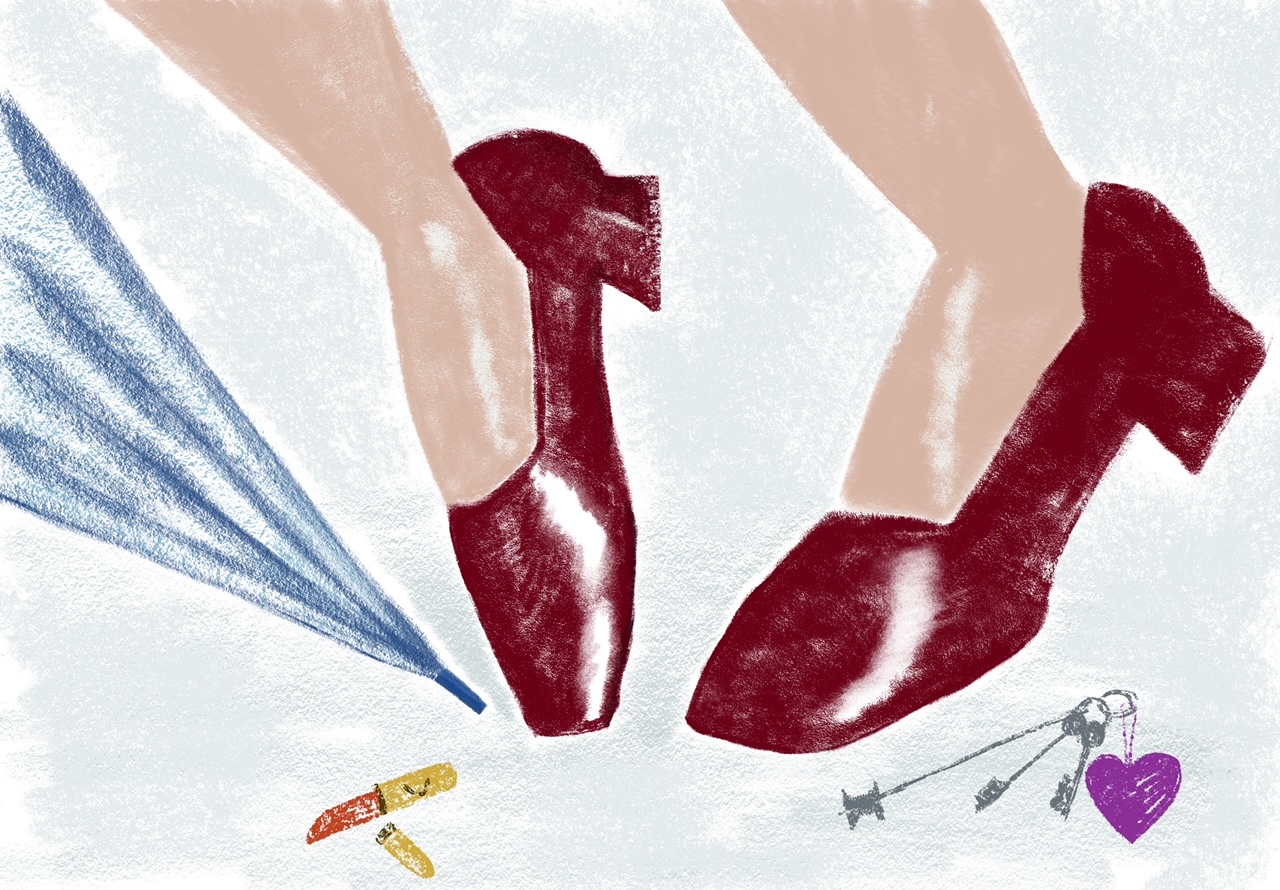

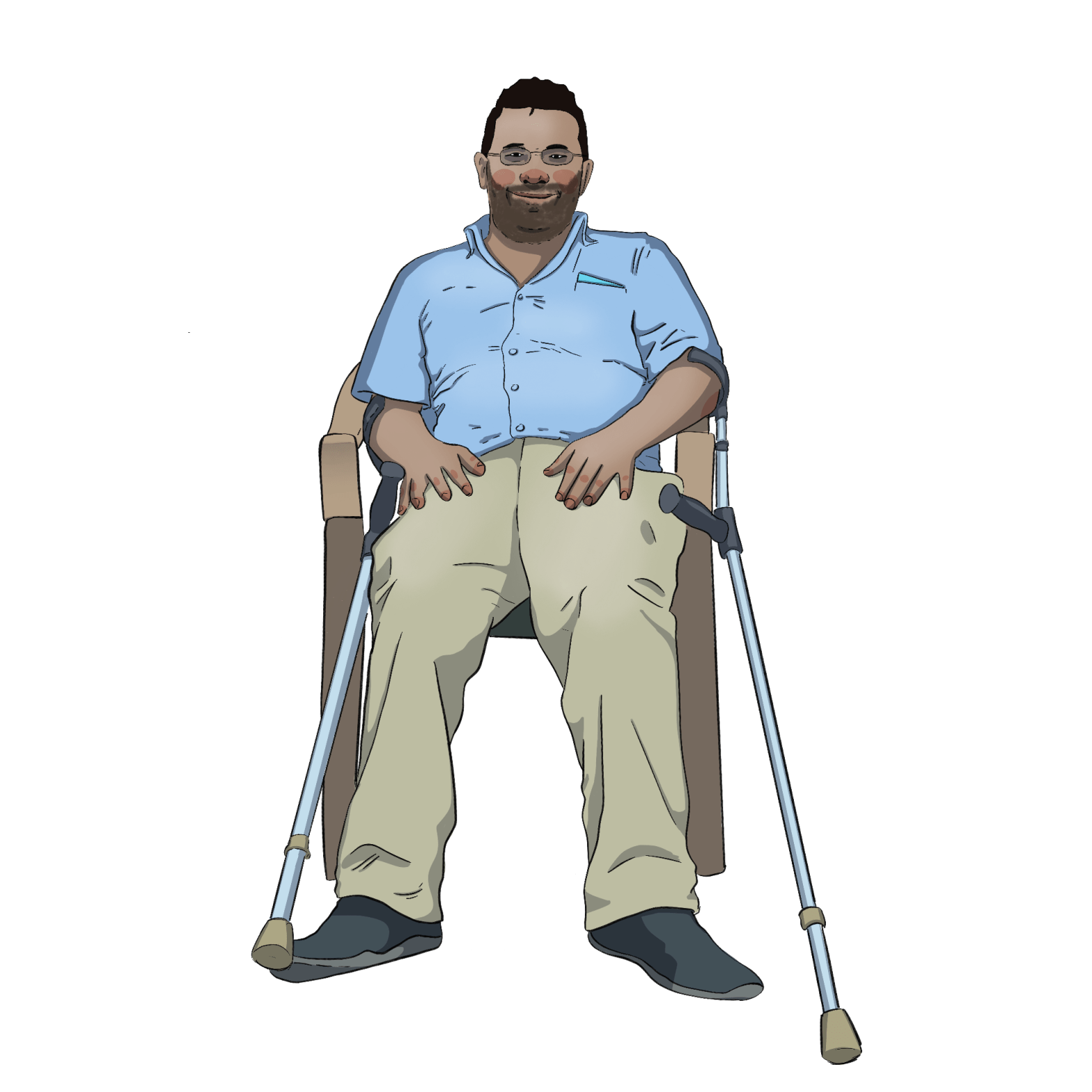
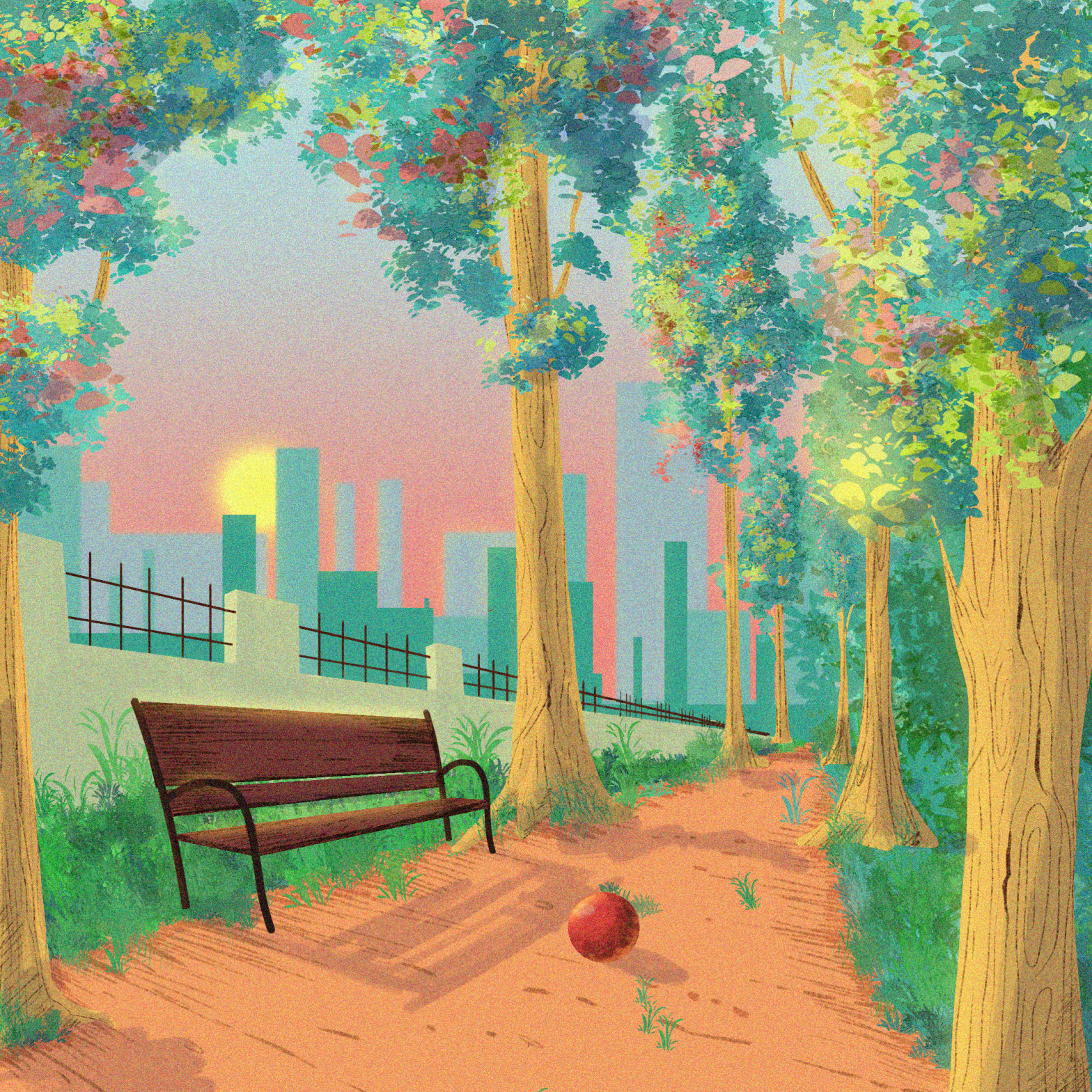
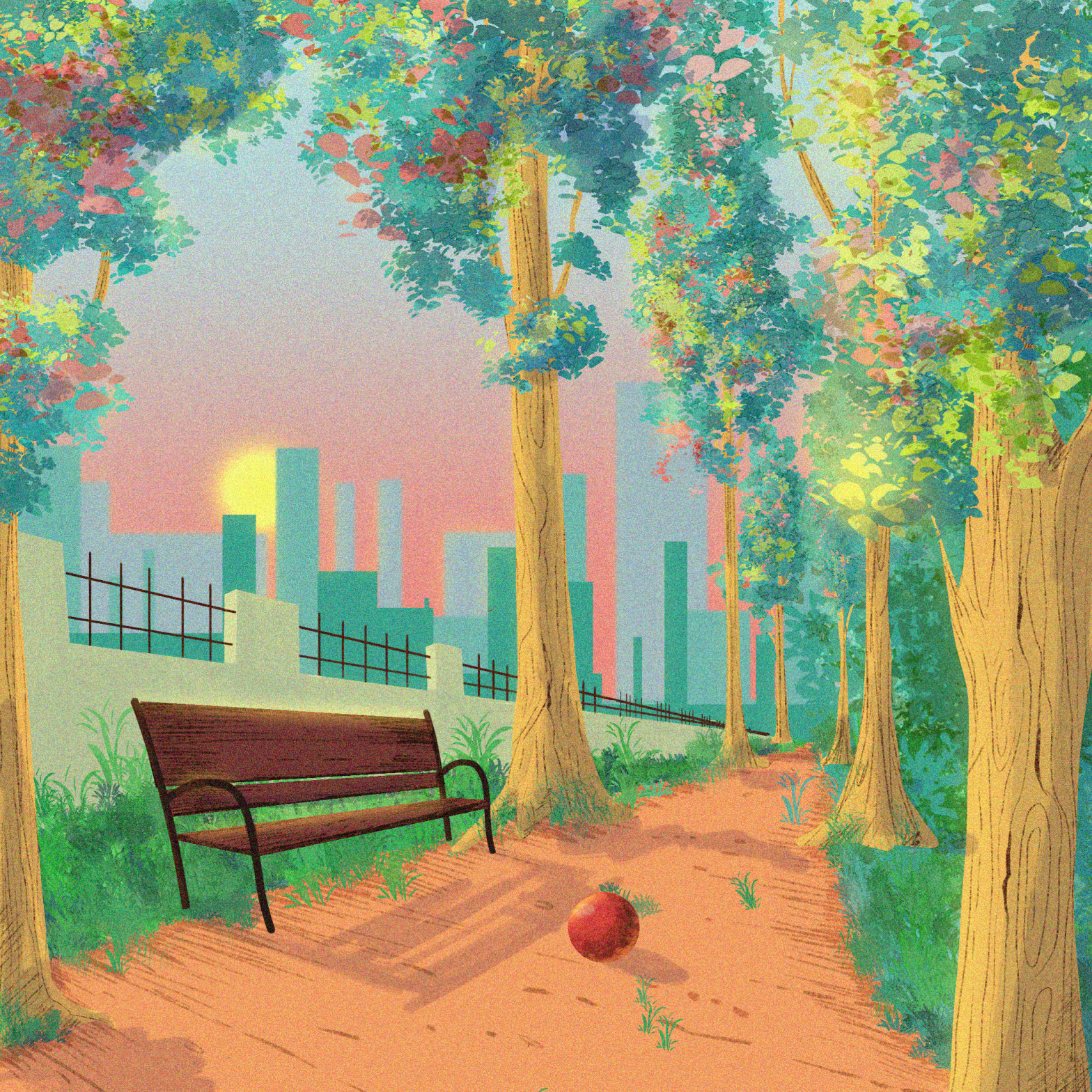


 Grandi Storielle 🖌📚